
Tactical Thinking and Banana Spider Web Strategy in iGaming
With its characteristic yellow coloration and remarkable web-building skills, the banana spider provides intriguing insights into strategic planning and decision-making. These arachnids exhibit resource optimization, territory control, and calculated risk assessment—skills that are startlingly similar to the tactical reasoning needed in online gaming contexts. Knowing how these spiders behave from birth to adulthood provides trends that reflect the emergence of skills and strategies in competitive gaming environments.
A Banana Spider: What Is It? Size, Development, and Important Features
One of nature's most fascinating arachnids is the banana spider, which is formally categorized under the genus Nephila and commonly referred to as the Brazilian wandering spider. When fully developed, banana spider specimens may grow to astonishing sizes; females are usually five to six inches long, including the leg spread, while males are much smaller, at around one inch. Similar to how various player positions in professional gaming need distinct skill sets, this notable size disparity represents specialized functions within their biological niche.
A banana spider size comparison to common objects reveals that adult females approximate the dimensions of a human palm, therefore interactions with these animals are memorable. Their elongated bodies and golden-yellow coloring give them a distinctive character in their native habitats in portions of South America, Central America, and the Southeast United States. These spiders favor warm, humid climates with lots of flying insects.
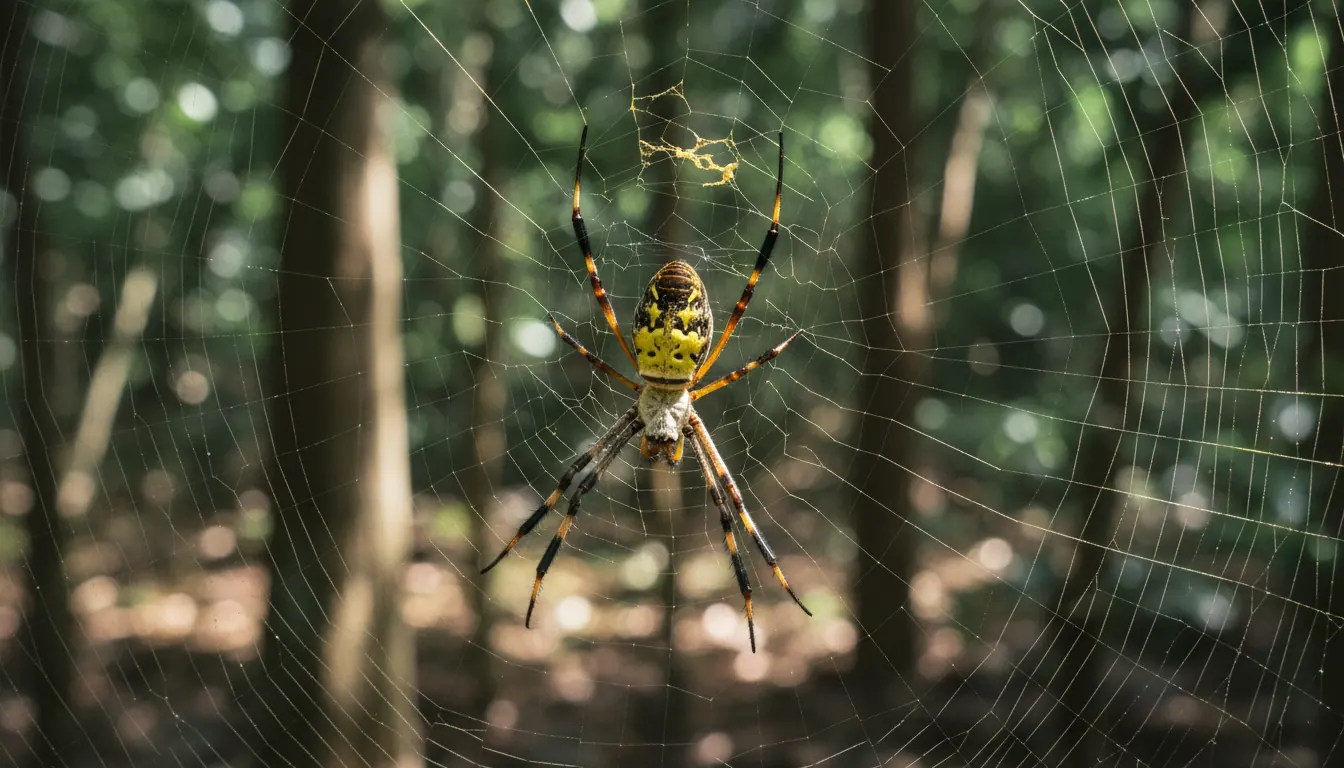
Beyond their size, banana spiders exhibit a variety of physical traits. Their approximately 360-degree vision from their eight eyes enables continuous environmental monitoring. While specialized spinnerets create silk strands of different thickness and strength, strong, flexible legs let them to move quickly over their webs. Similar to how gamers need the right gear and environmental knowledge to play at their best, these biological tools equip banana spiders for success in their chosen domain.
Recognizing Natural Habitat and Features
The visual characteristics of banana spiders set them apart from other arachnid species. Adult females have golden or brilliant yellow bodies with faint orange or brown stripes along the length of their legs. In order to blend in with the dappled sunlight that filters through forest canopy, their abdomens frequently have darker patterns. Due of their distinct reproductive and survival duties, males tend to have more muted coloration, usually brown or tan.
These spiders set up their territories where they can capture the most prey with the least amount of energy. Gardens, regions with regular insect movement, and the margins of forests become ideal real estate. They exhibit sophisticated spatial reasoning in their habitat choices, recognizing convergence places where natural flight pathways converge, much like strategic players do on competitive maps' high-traffic areas. The situational awareness needed in fast-paced game conditions is similar to the spider's capacity to detect environmental cues and position itself effectively.
Banana Spider Webs: How Structure and Planning Inform Decisions
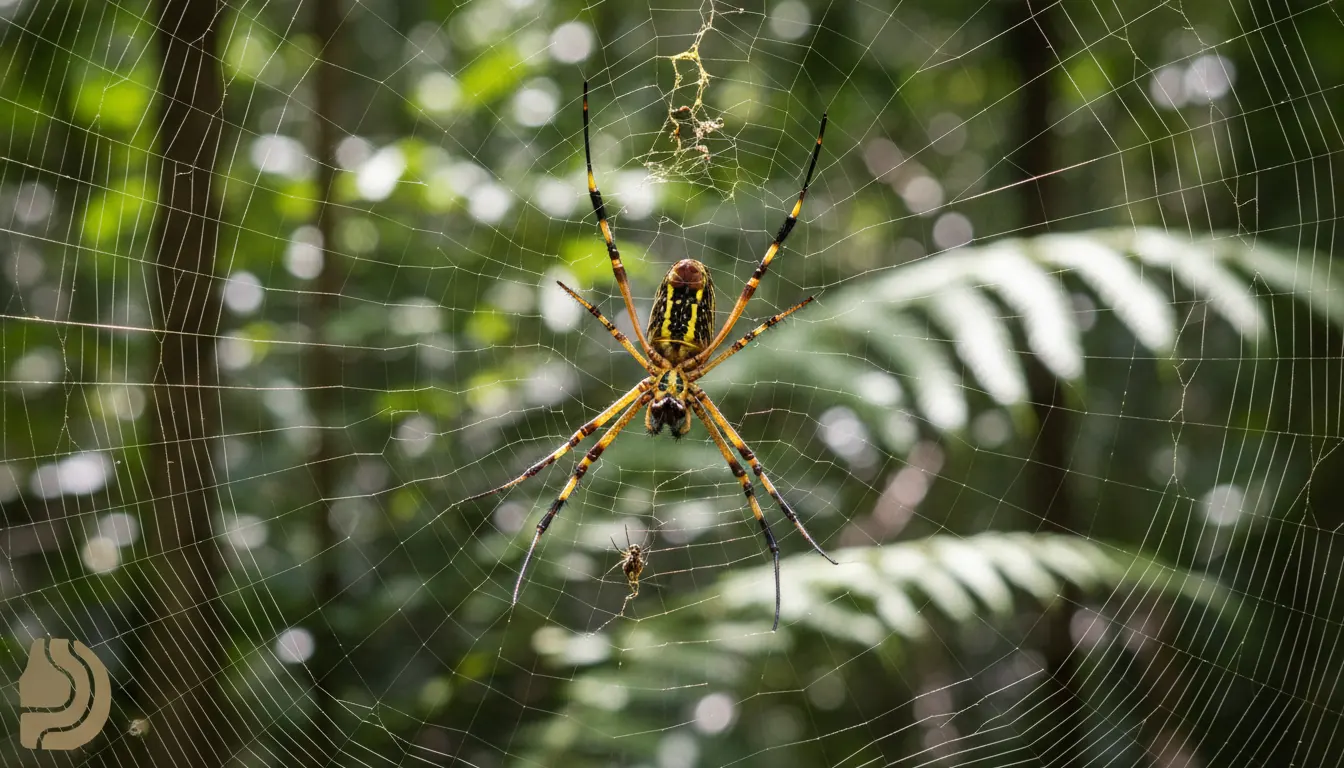
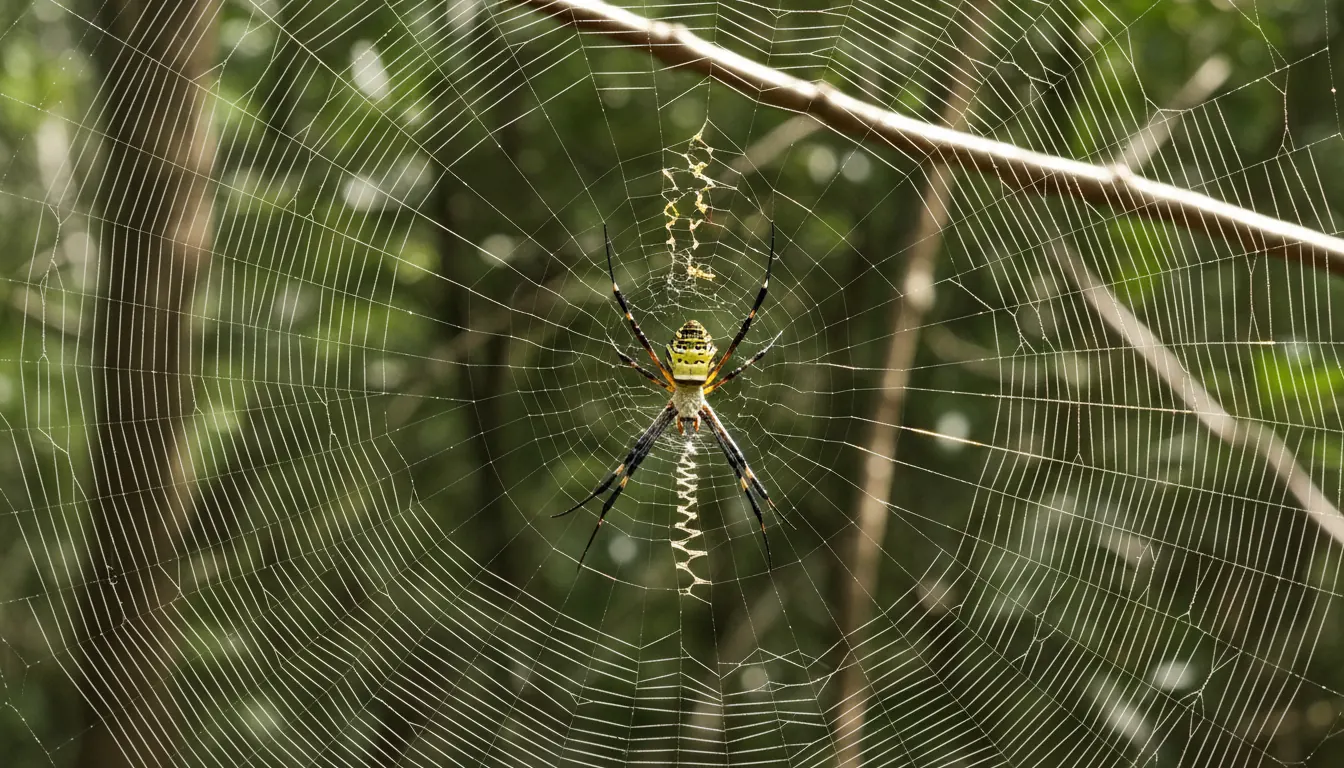
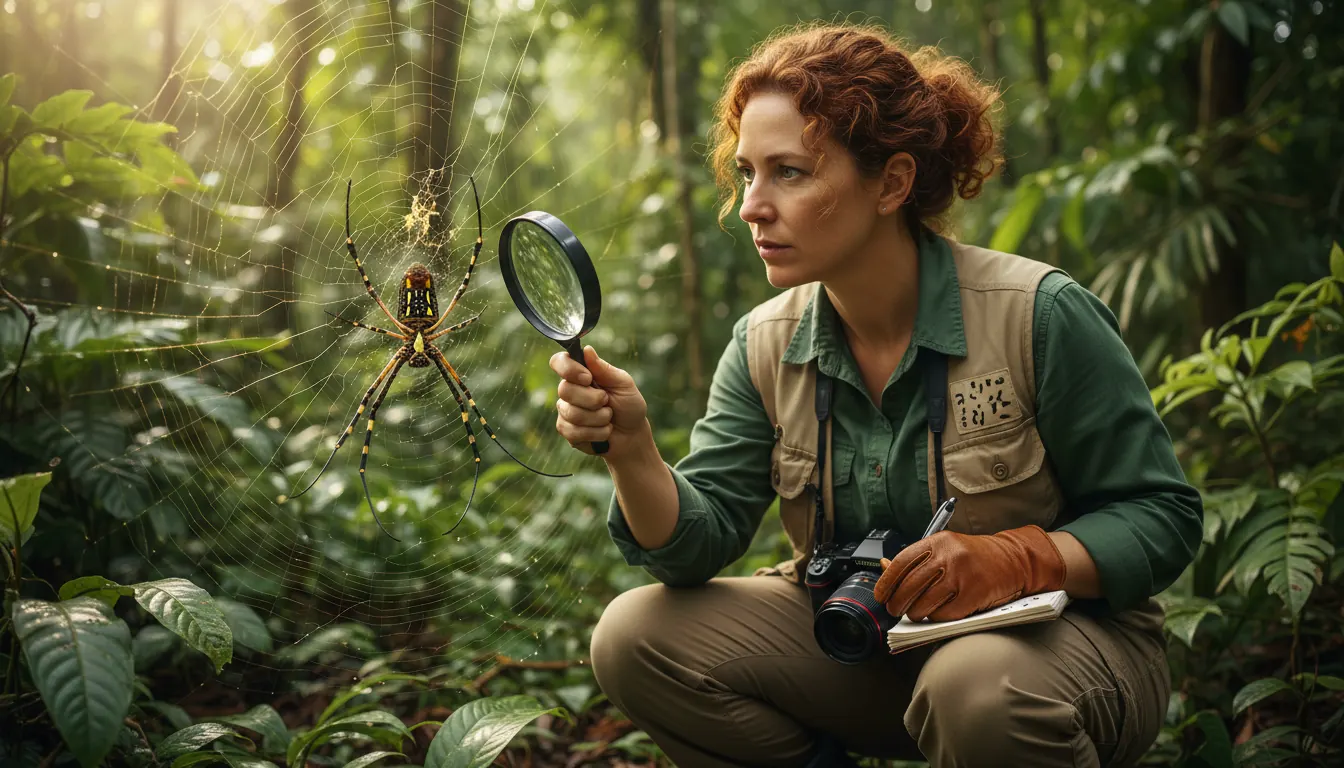
The building of banana spider webs is an example of architectural excellence that has been honed over millions of years. The symmetrical, wheel-shaped webs that these orb-weaving spiders weave can reach a diameter of three feet. Establishing anchor lines, constructing the frame, making radial supports, and then laying the sticky spiral that ensnares creatures are all done in a specific order. Since the creation of silk needs a large amount of metabolic energy, each stage requires deliberate effort and resource management.
Several functional zones are incorporated into the design of the web. Every strand gives sensory feedback and structural support to the hub where the spider sits. The sticky spiral functions as the capturing mechanism, while radial threads function as superhighways for quick movement. The function of stabilimenta, which are zigzag silk patterns seen in some banana spider webs, is still up for dispute among scientists. These constructions might serve as camouflage, draw in prey, or alert birds to potential collisions. The multi-layered offensive and defensive skills reflect how seasoned players create all-encompassing plans that deal with several situations at once.
Engineering Fundamentals for Building Websites
| Structural Element | Function | Strategic Parallel |
|---|---|---|
| Anchor Lines | Stability and foundation | Framework for core strategy |
| Radial Threads | Fast routes for navigation | Shortcuts for deciding decisions |
| Sticky Spiral | Prey capture mechanism | Points of tactical execution |
| Hub Position | Central monitoring station | Hub for obtaining information |
Maintaining a website takes ongoing attention to detail. Every day, banana spiders replace damaged portions while maintaining working ones. Adaptability is demonstrated by this iterative improvement process, which identifies what works, removes flaws, and improves technique in response to performance feedback. The same idea holds true in competitive gaming settings, especially on sites like royalspinia casino where results are determined by strategic thinking. Based on their experience and evolving circumstances, players regularly evaluate outcomes, modify their strategies, and refine their approach.
Advanced probability analysis is seen in the positioning of banana spider webs. These spiders stay away from areas with a lot of wind, intense sunshine, or activity from predators. They pick locations with consistent insect populations and suitable structural reinforcements. The method that successful gamers use to decide which games to play, whether to increase stakes, and how to divide scarce resources among several possibilities is reflected in this risk-benefit analysis.
Allocating Resources and Managing Energy
The manufacture of silk is a substantial biological commitment. Due to their restricted production capacity, banana spiders must weigh their aspirations for building against their metabolic constraints. In order to show practical resource allocation, damaged webs are occasionally repaired partially rather than completely. Similar to this, gaming tactics frequently call for deciding between timely action and flawless execution—that is, whether to completely commit and when to save resources for better possibilities.
The success rate of capture determines whether a spider will stay on a web site or leave it. Despite the sunk cost of earlier development, the spider moves if a location is no longer fruitful after a few days. The cognitive flexibility that distinguishes effective strategists from those who cling to unsuccessful strategies because of prior investments is demonstrated by this readiness to reduce losses and embrace better chances.
From Baby to Full Grown Banana Spider: Experience and Skill Development
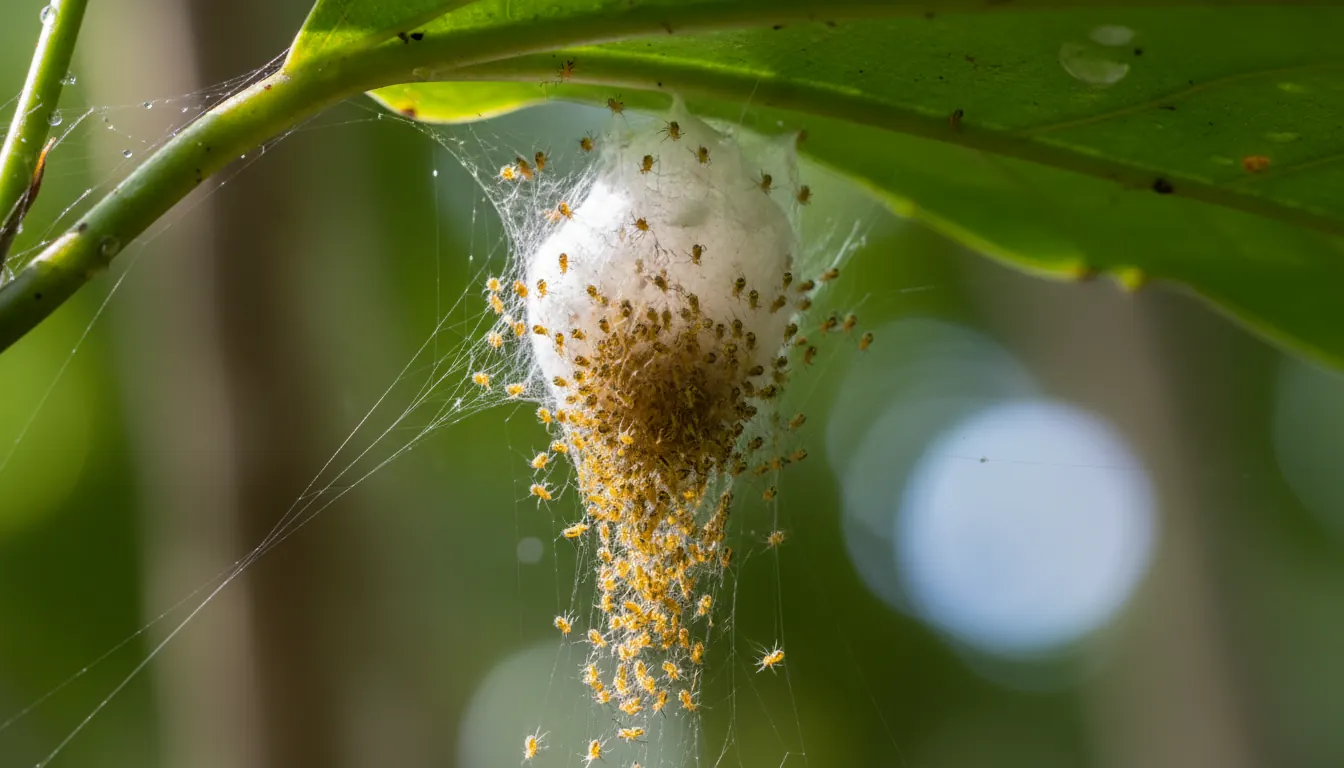
Hundreds of siblings hatch from egg sacs to become baby banana spiders. These spiderlings have stratospheric death rates and are only a few millimeters in size. Their first webs are simple, tiny constructs that ensnare small prey, such as fruit flies and gnats. As they learn how to place webs, distinguish vibration signals that indicate prey from trash, and acquire the coordination required for prey capture and consumption, success necessitates trial and error.
It takes several months and numerous molts for a banana spider to mature from a spiderling to a fully grown banana spider. The spider sheds its exoskeleton and grows larger and more competent with each molt, which is a growth phase. Learning happens through repeated attempts to hunt, weave webs, and avoid predators in between molts. In order to survive infancy, spiders improve their instincts, quicken their reactions, and employ more effective strategies—a process that is similar to how skills are developed in any competitive sport.
"There are innumerable iterations, mistakes, and modifications required to go from beginner to expert. In both nature and games, mastery is the result of perseverance and a readiness to grow with every effort."
Phases of Spider Growth and Acquiring Skills
As they grow older, juvenile banana spiders construct increasingly intricate and enormous webs. Although early attempts lack the symmetry and accuracy of adult creations, each repetition builds on the lessons learned from earlier attempts. The spider gains knowledge about which sites perform better, how weather patterns impact the longevity of websites, and which changes to websites increase capture rates. There is no quick fix for this experience learning; it takes time, practice, and flexible thinking.
Other strategic issues arise with the shift to sexual maturity. In order to maintain their webs and produce eggs, female banana spiders must strike a balance between hunting and reproduction. One of the many difficulties faced by men is navigating courting without turning into prey. Similar to how players in strategic games must weigh short-term profits against long-term positioning, these conflicting agendas require complex decision-making over when to pursue which objectives.
Risk Assessment in Nature and Gaming: Poisonous Myths and Banana Spider Bite
Although the subject "are banana spiders poisonous" raises a lot of anxiety, the truth is not as dire as the general public believes. Although banana spiders may paralyze their victims with their venom, people are rarely seriously threatened by their bites. Symptoms of bites usually include localized discomfort, redness, and slight swelling similar to a bee sting, usually only when the spider feels directly threatened. Extremely uncommon, severe reactions often entail allergic reactions as opposed to venom poisoning.
This discrepancy between perceived and actual danger serves as an example of a prevalent cognitive bias in which statistical facts are obscured by dramatic potential. Players usually overestimate certain risks and underestimate others when playing games, which results in less-than-ideal choices. Calculated risk-takers are distinguished from reckless gamblers by their comprehension of real probability distributions rather than their emotional reactions to possible outcomes.
Differentiating Between Perceived and Actual Threats
The phrase "spider in banana" can refer to either the more deadly Brazilian wandering spider found in banana shipments or a banana spider discovered close to banana trees. The latter is a real concern because these vicious spiders can occasionally be found in imported produce and can deliver strong venom. Such occurrences are incredibly uncommon, though, and appropriate handling procedures further reduce danger. The significance of differentiating between calculated risks and actual hazards is shown in this contrast between common, innocuous species and uncommon, harmful kinds.
Despite their terrifying appearance, giant banana spider specimens are just as harmless-looking as their smaller siblings. Size is correlated with the capacity to capture prey rather than hostility toward people. The spiders would rather run than engage in combat, avoiding conflict whenever they can.
"Effective risk management requires distinguishing between unlikely catastrophic events and probable moderate outcomes. Accurately calibrating a reaction to real dangers rather than hypothetical ones is the key to success."
This defensive posture reflects an innate understanding that engagement carries injury risk regardless of outcome—a principle that applies equally to competitive scenarios where even victories can prove costly.
Medical Considerations and the Composition of Venom
- Insects and tiny vertebrates are more commonly affected by neurotoxic substances than humans.
- Without medical assistance, bite symptoms usually go away in a day.
- For most people, allergic responses are more concerning than direct venom effects.
- The main risk of complications is subsequent bacterial infection, which may be avoided with proper wound cleansing.
- When bites occur together with atypical symptoms or known sensitivities, medical treatment should be sought.
- Reactions may be more noticeable in children and the elderly.
- When handling or trapping spiders against skin, the majority of bites happen by accident.
The medical reality of banana spider bites serves as an example of how sufficient knowledge may turn fear into sensible prudence. Understanding actual danger levels allows for sensible measures without undue avoidance, as opposed to fearing every interaction. Analyzing chances, possible losses, and risk tolerance honestly is also necessary for a good gaming strategy. Both overconfidence and overcaution result in less than ideal results; the secret is to match calibration to real situations.
Conclusion
Banana spiders' web building, development procedures, and risk management practices serve as excellent examples of strategic concepts. These arachnids show that precise threat assessment, resource optimization, adaptive learning, and meticulous planning are necessary for success. The similarities between their innate tactics and tactical reasoning in competitive game settings highlight general rules that apply to all situations. We may learn valuable lessons about making decisions in a variety of sectors by seeing how these animals traverse their environment.
Frequently Asked Questions
How big does a full grown banana spider get?
A full grown banana spider female typically reaches five to six inches including leg span, while males remain much smaller at approximately one inch. Adult females are roughly the size of an adult human palm, making them one of the larger spider species commonly encountered in their native habitats.
Are banana spiders poisonous to humans?
While banana spiders possess venom used to immobilize prey, they are not considered dangerous to humans. Bites typically cause only localized pain, redness, and mild swelling comparable to a bee sting. Severe reactions are extremely rare and usually involve allergic responses rather than venom toxicity.
How do banana spider webs demonstrate strategic thinking?
Banana spider webs showcase strategic planning through their symmetrical construction, resource allocation, and placement decisions. The spiders select locations with high insect traffic while avoiding areas with excessive wind or predators, demonstrating advanced probability assessment similar to tactical decision-making in competitive gaming environments.
What do baby banana spiders look like and how do they develop?
Baby banana spiders, called spiderlings, are only a few millimeters in size when they emerge from egg sacs. They build small, crude webs to capture tiny prey like gnats and fruit flies. Through several months and multiple molts, they gradually develop larger size, better coordination, and more sophisticated web-building skills until reaching full maturity.
How does banana spider behavior relate to iGaming strategy?
Banana spiders demonstrate principles applicable to iGaming through their resource optimization, risk assessment, and adaptive learning. Their web construction requires balancing investment against potential returns, similar to stake management in gaming. Their willingness to abandon unproductive sites mirrors effective loss-cutting strategies, while their iterative skill development parallels player progression in competitive environments.