Hobo Spider Identification and Safety in Pacific Northwest
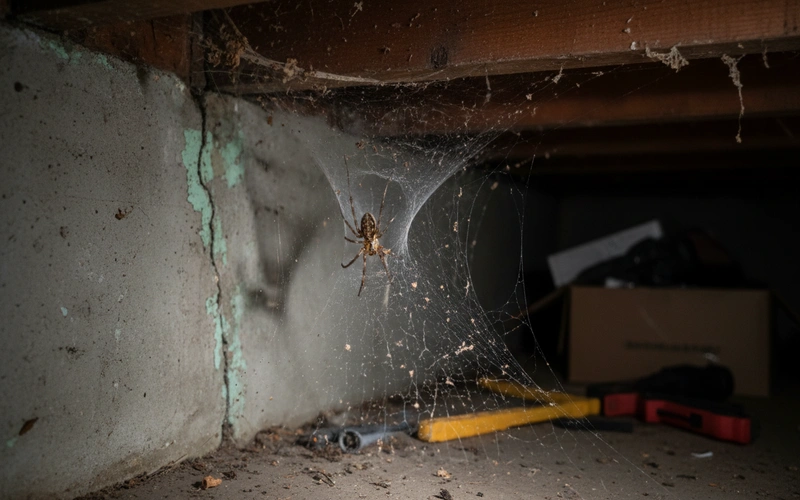
The hobo spider has long been a subject of controversy in the Pacific Northwest, with myths about its danger persisting despite scientific evidence to the contrary. Found primarily in Washington, Oregon, and Idaho, this brown spider builds funnel-shaped webs in dark corners and basement areas. Understanding proper identification helps homeowners distinguish hobo spiders from truly dangerous species and respond appropriately to encounters.
Identifying Hobo Spiders Accurately
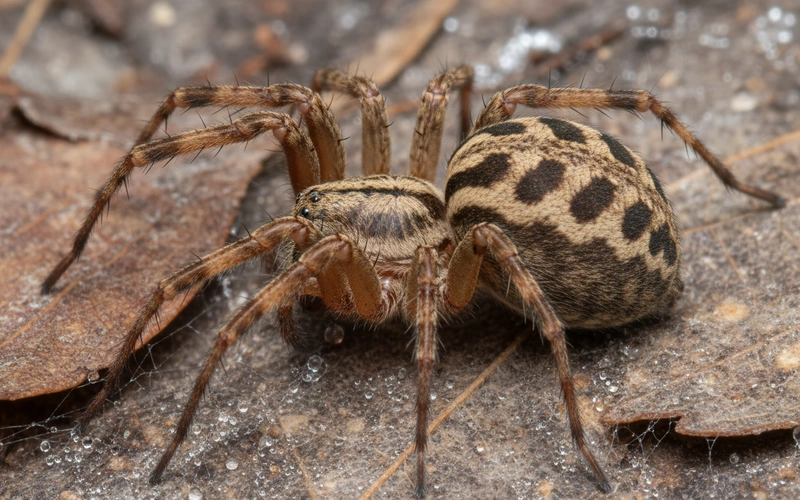
Hobo spiders are medium-sized brown spiders measuring 12 to 18 millimeters in body length. Their most distinctive feature is the chevron pattern on their abdomen, though this can fade in older specimens. Unlike many spiders, they lack distinct color bands on their legs. The front legs of males appear swollen due to enlarged pedipalps used in mating.
- Hobo spiders build horizontal funnel webs with a retreat tube, typically at ground level in basements or crawl spaces
- They are poor climbers due to lacking adhesive scopulae on their legs, rarely found above ground floor
- Active hunting occurs primarily at night when they venture from their funnel webs seeking prey
- Males wander more frequently than females during mating season from June through October
- Their webs appear messy and non-sticky, different from the organized orb webs of garden spiders
Debunking the Danger Myth
For decades, hobo spiders were classified as medically significant, but modern research has disproven this designation. Studies conducted since 2000 show their venom poses minimal threat to humans.
| Characteristic | Hobo Spider | Brown Recluse |
|---|---|---|
| Venom Toxicity | Low - minimal medical significance | High - can cause necrosis |
| Geographic Range | Pacific Northwest only | Southern and Central US |
| Reported Necrosis | No confirmed cases | Well documented cases |
| Medical Treatment | Basic wound care sufficient | May require medical intervention |
"Extensive research has failed to demonstrate that hobo spider bites cause necrotic lesions in humans. Most attributed cases were misdiagnosed bacterial infections." - Pacific Northwest Arachnology Research Institute
Safe Coexistence Strategies
Managing hobo spiders requires simple prevention methods rather than aggressive extermination. Seal cracks in foundations and around windows to prevent entry. Keep basements dry and clutter-free to eliminate preferred habitats. Regular vacuuming removes webs and spiders before populations establish. When encounters occur, simply relocate the spider outdoors or remove it with a vacuum. These spiders play beneficial roles controlling household insects and pose no significant health risk to residents.