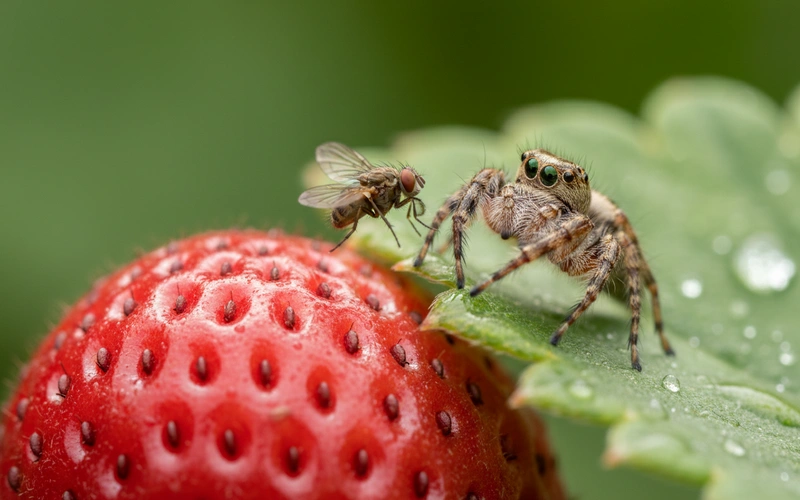
Jumping Spider Species and Pet Care Requirements
Jumping spiders have surged in popularity as pet arachnids due to their engaging personalities, curious behavior, and relatively simple care requirements. Unlike tarantulas, these small spiders actively interact with their environment and can recognize their owners. With over 6,000 species worldwide, jumping spiders offer diverse options for hobbyists. Popular pet species include Phidippus regius (regal jumping spider), Phidippus audax (bold jumping spider), and various Hyllus species. Proper care ensures these charismatic spiders thrive in captivity while providing fascinating observation opportunities.
Popular Pet Species Characteristics
Phidippus regius dominates the pet trade due to availability, size, and color variety. These spiders reach 12 to 22 millimeters in body length and display remarkable color morphs including orange, white, and blue patterns. Phidippus audax is smaller but equally engaging, with distinctive white spots on a black body. Both species adapt well to captivity and tolerate gentle handling better than most spiders.
| Species | Size | Difficulty Level |
|---|---|---|
| Phidippus regius | 12-22mm | Beginner friendly |
| Phidippus audax | 8-13mm | Beginner friendly |
| Hyllus diardi | 10-16mm | Intermediate |
| Phidippus otiosus | 9-15mm | Beginner friendly |
Housing and Environmental Needs
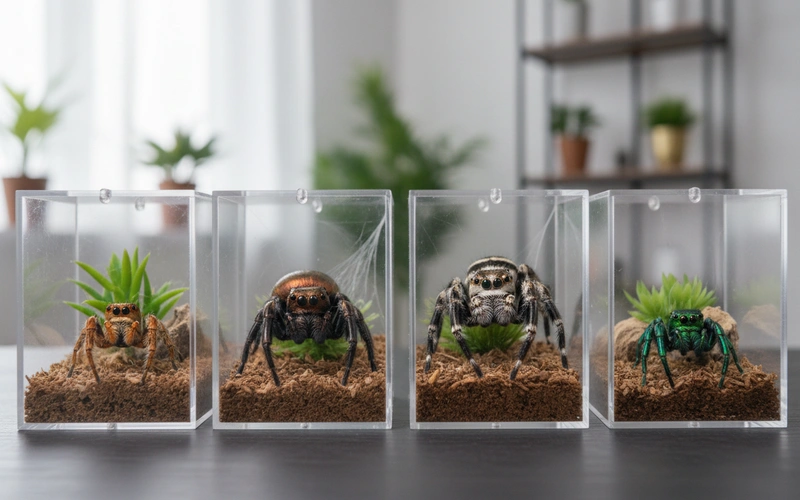
Jumping spiders require surprisingly simple enclosures compared to other pet arachnids. A small container measuring 10x10x15 centimeters provides adequate space for most species. Vertical orientation is essential since these spiders naturally inhabit vertical surfaces and hunt on walls and plant stems. Substrate can be simple paper towel or coconut fiber, changed weekly to maintain hygiene.
- Temperature should remain between 21-26°C with no special heating required in most homes year-round
- Humidity needs are moderate at 50-70%, achieved through light misting twice weekly and a small water dish
- Provide climbing structures including artificial plants, cork bark, and vertical branches for natural behavior expression
- Adequate ventilation prevents mold growth while maintaining appropriate humidity levels for spider health
- Position enclosures away from direct sunlight to prevent overheating while ensuring ambient room lighting for normal behavior
"Jumping spiders are among the most interactive invertebrate pets available. Their excellent vision means they actually watch their owners and respond to movement outside their enclosure, creating genuine engagement rare in arachnid keeping." - Exotic Pet Care Quarterly
Feeding and Health Maintenance
Jumping spiders are obligate carnivores requiring live prey for optimal health. Fruit flies work well for juveniles, while adults accept house flies, small crickets, and moths. Feed adult spiders two to three times weekly, offering prey items approximately the same size as the spider's abdomen. These spiders do not build webs for hunting, instead actively stalking and pouncing on prey in entertaining displays. Monitor for signs of premature molt or dehydration including shriveled abdomen or lethargy. Lifespans vary by species from six months to two years, with females typically living longer than males. Regular observation ensures early detection of health issues and allows appropriate intervention when necessary.