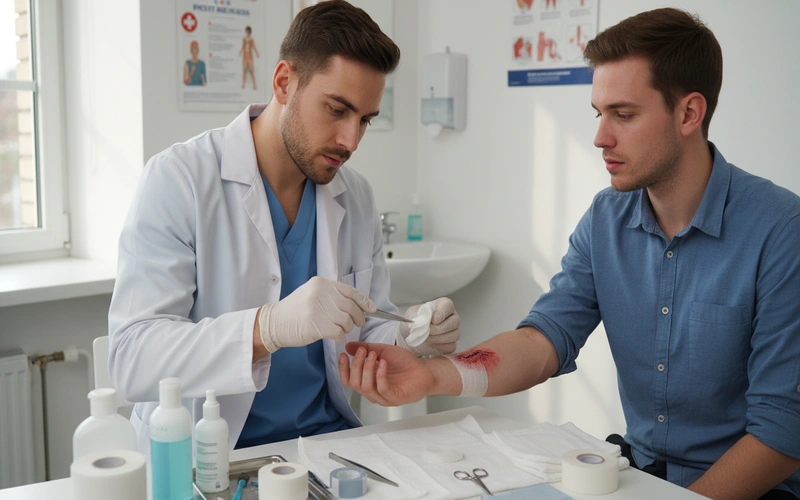
Spider Bite or Bacterial Infection: Medical Diagnosis Guide
Medical professionals frequently misdiagnose bacterial infections as spider bites, leading to inappropriate treatment and delayed proper care. Research indicates that over 80% of lesions attributed to spider bites are actually bacterial infections, particularly MRSA. This diagnostic confusion occurs because both conditions can present with similar initial symptoms including redness, swelling, and pain. Understanding the distinguishing features between genuine spider bites and bacterial skin infections is crucial for healthcare providers and patients seeking accurate diagnosis and effective treatment.
Key Diagnostic Differences
Spider bites typically present with immediate sharp pain at the moment of the bite, followed by localized symptoms. Bacterial infections develop more gradually over 24 to 48 hours without a recalled injury event. The progression patterns differ significantly between these conditions.
| Characteristic | Spider Bite | Bacterial Infection (MRSA) |
|---|---|---|
| Onset | Immediate pain, rapid local reaction | Gradual development over 1-2 days |
| Recalled Event | Often remembers being bitten | No specific injury recalled |
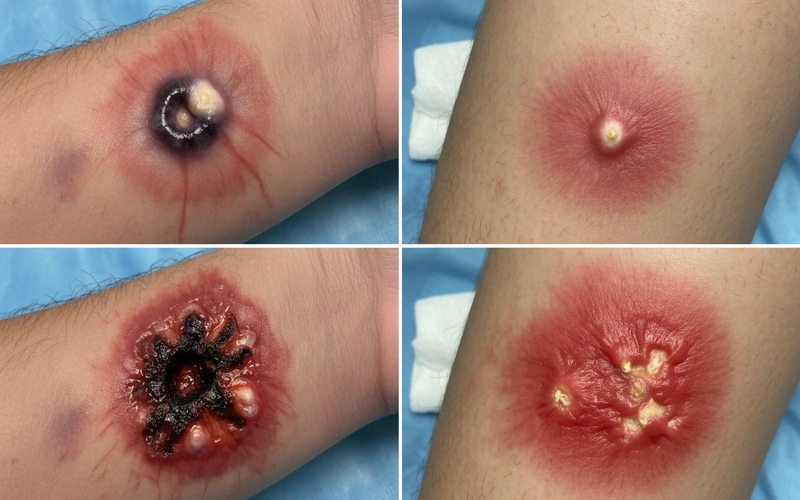
| Central Feature | Puncture marks (rare to see) | Central pustule or abscess |
| Progression | Improves after 48-72 hours | Worsens without antibiotics |
| Necrosis | Extremely rare except brown recluse | Common with untreated MRSA |
"When a patient presents with a necrotic lesion and insists they were bitten by a spider, the first question should be: did you actually see the spider? In most cases, the answer is no, strongly suggesting an alternative diagnosis like MRSA." - Dr. Sarah Martinez, Medical Toxicology Consultant
Common Misdiagnosis Scenarios
Several factors contribute to the persistent misattribution of bacterial infections to spider bites. Cultural beliefs about dangerous spiders exceed actual risk in most regions. Patients often assume any unexplained skin lesion resulted from a spider bite during sleep. Healthcare providers sometimes default to spider bite diagnosis without proper differential consideration.
- True brown recluse bites occur only within the spider's geographic range, yet recluse bites are diagnosed nationwide
- Most genuine spider bites resolve with basic wound care and do not develop severe necrosis or systemic infection
- MRSA infections commonly begin as small red bumps resembling insect bites before progressing to abscesses
- Absence of the actual spider at the time of injury strongly suggests alternative causes for skin lesions
- Seasonal patterns differ, with spider bites more common in warm months while MRSA occurs year-round
Appropriate Treatment Protocols
Correct diagnosis determines treatment success. Suspected spider bites initially receive conservative care including cleaning, cold application, and monitoring. If lesions worsen after 48 hours, bacterial infection becomes more likely and requires culture and antibiotic treatment. MRSA infections need prompt incision and drainage plus targeted antibiotics based on culture results. Antivenom exists only for specific spiders like black widows and should never be administered based on presumptive diagnosis without confirmed spider identification. Healthcare providers should maintain high suspicion for bacterial causes when lesions progress to necrosis or fail to improve with supportive care alone.