
What the Spider Means in Different Cultures and How It Relates to Gambling Beliefs
People have been interested in spiders for thousands of years, and they have been a part of myths, spiritual beliefs, and cultural practices all over the world. These eight-legged animals have deep meanings; they stand for everything from luck and imagination to fate and patience. It's interesting that spider symbols have an unplanned link to views about gaming, where themes of chance, risk, and fate come together. Finding out how people from different cultures see spider symbols can teach us a lot about how people think about luck and making decisions in games of chance.
What Does the Spider Mean in Ancient and Modern Cultures?
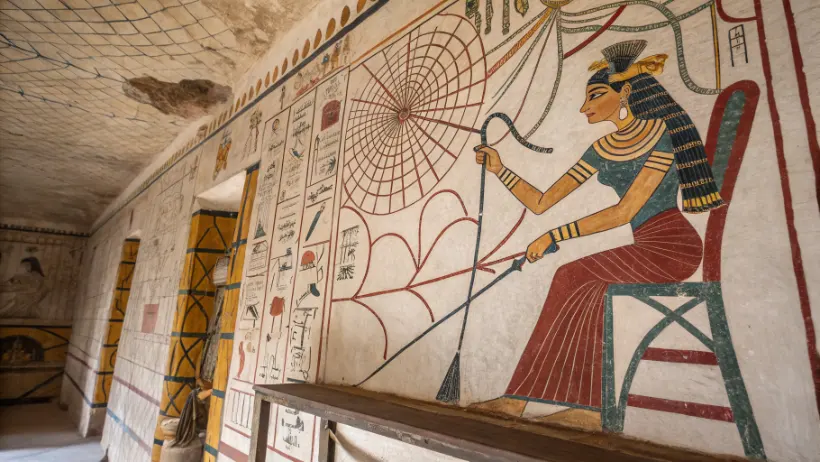
Different cultures have very different meanings for spiders, which shows how each culture has a unique bond with these animals. In ancient Egypt, spiders were linked to Neith, the goddess of war and spinning, and were seen as a representation of how fate works in complicated ways. Native American religions, especially those of the Hopi and Navajo, saw Spider Woman as a creator goddess who taught people how to weave and stood for knowledge that had been passed down from generation to generation.
Tricksters and Spider Gods from Africa
The spider god Anansi is a big part of West African myth. He is especially important in stories from the Akan people of Ghana. Anansi is smart, sneaky, and flexible, and it often surprises stronger animals by being smarter than they are strong. During the slave trade, these stories made their way across the Atlantic and became part of the literary customs of the Caribbean and Africa. The trickster nature of Anansi is similar to the way people gamble, which is to think that smarts and planning can help you beat the odds.
European Views on the Middle Ages
Different cultures in Europe in the Middle Ages had different ideas about spiders. In some Christian beliefs, they were linked to the devil and temptation, while in others, they were seen as signs of hard work and saving money. A popular belief was that seeing a spider in the morning would bring good luck and seeing one in the evening would mean money. These beliefs set the stage for later gaming omens.
Asian Signs of the Spider
In Japanese society, spiders are seen in a complex way. The jorōgumo, a spider that can change into a beautiful woman, stands for both danger and attraction, which is a lot like the draw of gambling's risk. Spiders are linked to happiness and good luck in Chinese culture because the character for spider sounds like the word for joy. This link in language increased traditional views that spiders are lucky signs.

Spiritual Significance of the Spider: Fate, Destiny, and Chance
The spiritual meanings of spider symbols are often based on ideas that are closely related to how people think about gaming. Spiders make complicated webs that seem to catch their prey by accident, but they actually follow exact mathematical patterns. This contrast between chance and planning is similar to how players think about games of chance.
The Master Plan Weaver
This idea affects how people approach taking risks, especially in modern gaming environments. Whether it's the spin of a roulette wheel at platforms like piper spin or the drawing of cards in traditional casinos, these moments seem to be controlled by unseen forces—echoing the ancient belief that fate weaves our destinies like a spider weaves its web.
Lessons in Religion and Patience
Spirituality that uses spiders as symbols stresses patience and time, which are important skills for gaming. Spiders wait in their webs, still, and only strike when everything is just right. This teaches a moral lesson about being patient and knowing when to act and when to wait. Professional bettors often agree with this advice because they know that the best way to win is to wait patiently for good chances instead of acting on impulse.
| Culture | Spider Symbol | Associated Spiritual Concept | Gambling Connection |
|---|---|---|---|
| West African | Anansi | Cunning and wisdom | Outsmarting the house |
| Greek | Arachne | Pride and change | Risk and consequence |
| Japanese | Jorōgumo | Illusion and danger | The allure of betting |
| Chinese | Happiness spider | Fortune and joy | Lucky signs before play |
Control and Giving Up: The Right Balance
Spiders teach us an important spiritual riddle that has to do with gambling: the balance between being in charge and letting go of bigger forces. A spider carefully weaves its web, but it has no control over the animals that will fly into it. In the same way, players can learn tactics and odds, but the results in the end are still up to chance. This spiritual understanding helps explain why gaming is so powerful on a psychological level: it makes us think about our deepest questions about free will vs. fate.

Spider Web Meanings and the Way People Think About Gambling
The meanings of spider webs can teach us a lot about how people gamble. The web shows how single actions can have big effects on many linked systems. It's a great way to describe how betting choices can have these effects.
The Building Blocks of Chance
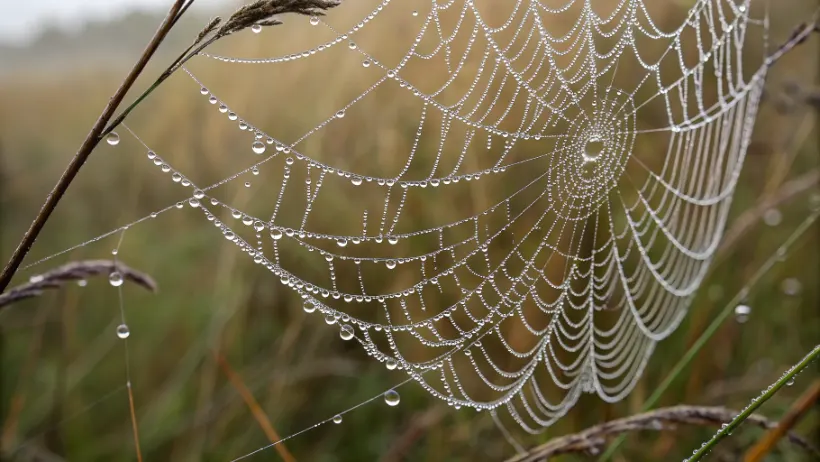
Spider webs are very accurate in their shapes because they follow mathematical rules that make things work as efficiently as possible. The circular threads hold the structure together, and the sticky spiral threads catch food. This mix of structure and chance is similar to how gaming games work: organized rules make up the structure, and randomness decides what happens within that structure.
"The spider's web is a masterpiece of architecture that appears delicate but possesses incredible strength. Understanding the meanings of spider webs helps explain why people find pattern-seeking so interesting in random systems. This riddle shows how gaming systems look clear and easy at first glance, but hide complicated mathematical truths below."
Dr. Margaret Chen, anthropologist who studies culture
Systems that Work Together and Betting Strategies
Each thread in a spider web is linked to every other thread, making a system where moving one point changes the whole structure. Expert players know that their methods are linked in similar ways: managing their money, choosing games, and keeping their emotions in check are all part of the same system. Spider webs teach us that actions are not separate from each other; each bet is linked to bigger patterns of behavior and outcomes.
- In the same way that risk capital is used in gaming, spider webs need to be built with time and money before they can pay off.
- Webs need to be fixed and rebuilt on a daily basis, just like gambling tactics need to be looked at and changed all the time.
- While waiting for the web to be finished and the food to be caught, the spider teaches patience, which leads to focused betting.
- A lot of failed tries come before successful catches, which makes losses common as part of a bigger process.
- Spiders leave web sites that aren't working, which shows how important it is to know when to leave bad situations.
- Building a website is a mix of instincts that are passed down and changes that happen in the world, similar to how learning a plan and being aware of what's happening work together.
- The best webs have the right amount of structure and flexibility, so they can move without breaking. This is a key concept in managing your bankroll.
How Spider Symbols Are Used in Superstitions and Gambling
People who gamble all over the world have made up complicated beliefs about spiders that turn old symbols into modern rituals. These views show that people have deep psychological wants for control and predictability when things aren't going as planned.
Good Luck with Spiders
In many gaming cultures, seeing a spider before going to a casino is seen as a good sign. This idea probably comes from societies that relied on farming, where spiders were a sign of good weather and lots of food, which were both signs of wealth. Modern gamblers have taken this farming meaning and use it to their advantage by seeing spiders before a game as a sign that the odds are in their favor.
Rituals and Seeing Ghost Spiders
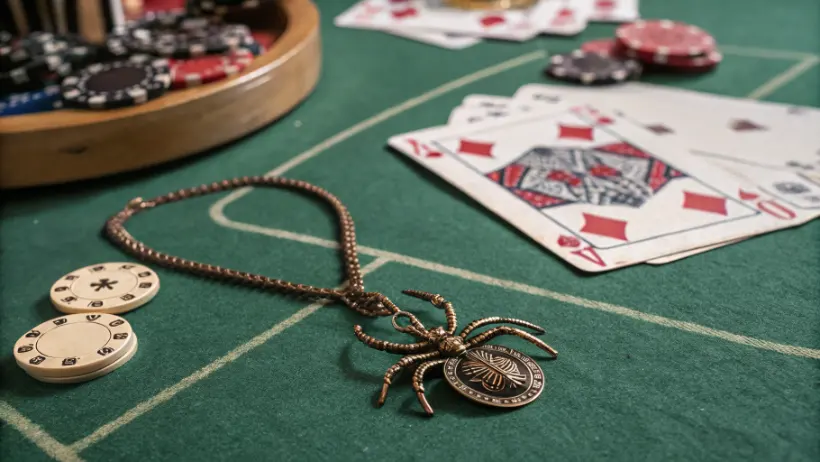
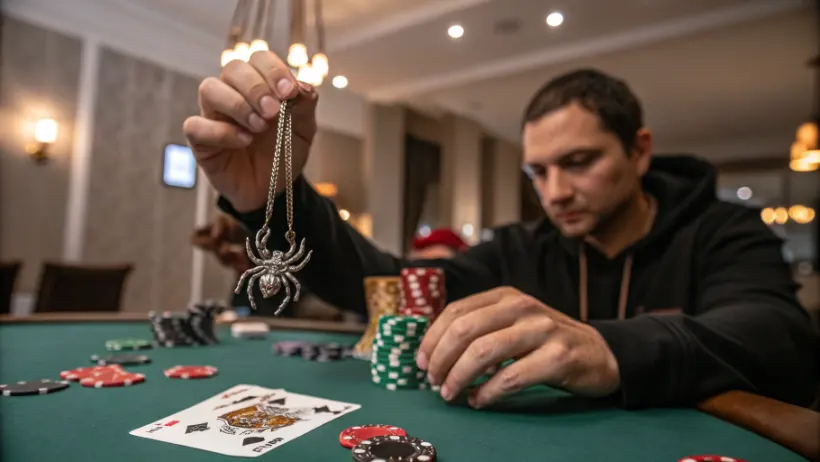
Some expert gamblers use spider symbols as part of their routines. Wearing spider-themed jewelry, having talismans with spiders on them, or picturing spider webs before playing are all ways to call on the creature's symbolic traits, which include patience, strategic thinking, and the ability to take advantage of chances. Even though there isn't much evidence to back these practices, they are helpful for mental health because they help reduce anxiety and set up habits for mentally preparing for things.
"I've found dozens of spider-related superstitions in international casinos while doing research for this article. People from the Mediterranean don't like killing spiders near gaming tables because they think it will bring them bad luck. On the other hand, some Asian bettors see spiders moving upward as a sign to raise their bets."
Professor James Thornton, Gaming Anthropology Institute
Differences Between Cultures in Spider Gambling Omens
Different cultures have different ideas about how spiders act when they are playing. European folklore says that spiders landing on their threads mean that money will be coming in, which makes people want to bet. Some players in Latin America think that seeing spiders in their dreams means they will soon win at games of chance. These views that are based on culture show how old spider symbols can be used in modern gambling settings.
- Killing a spider before gambling is seen as bad luck in many countries, which could lead to loss runs.
- It is said that if you find a spider in your shoe on your way to a casino, you'll "walk away with winnings."
- Different parts of the world believe that spiders showing during a game are signs to either keep playing or cash out.
- As lucky charms, some players carry around dried spiders or pieces of spider web. This is common in folk magic customs.
- Some gambling myths say that talking about spiders out loud at the gaming tables will change your luck.
- Professional card players sometimes call their skilled opponents "spiders" because they can use strategy to catch other players in webs.
- People who gamble online have come up with new spider symbols. For example, spider emojis are used to show that someone is "waiting for the right moment" to play.
New Psychological Views on the Meanings of Spider Gambling Symbols
There are reasons why spider symbols are still powerful in gaming settings that come from modern psychology. Apophenia is the brain's tendency to look for patterns and meaning in things that seem to happen by chance. Spiders meet this psychological need by giving us ready-made symbolic frames.
Biases in the Mind and Spider Metaphors
The gambler's error is when people think that past events can affect the results of future events that are separate from them. Spiders are used as metaphors for this way of thinking because they are like webs where everything is related to everything else. Even though this belief system is wrong scientifically for truly random events, it gives people psychological comfort and a way to make sense of the gaming experience.
The False Sense of Control
Studies reveal that one reason gamblers keep doing it is the idea of control, or the belief that skill can change results that are only determined by luck. Spider images, which show animals that are patient and build complex structures, make people feel like they have control over their lives. By connecting with spider traits, gamblers feel like they're using strategy and smarts instead of just hope for luck.
| Spider Attribute | Gambling Psychological Parallel | Cognitive Effect |
|---|---|---|
| Web construction | Betting system development | Enhances perceived control |
| Patient waiting | Disciplined bankroll management | Lowers reckless behavior |
| The ability to move quickly | Spot betting opportunities | Boosts focus and engagement |
| Prey capture | Strategies with a lot of risk and reward | Justifies risky betting |
| Multiple eyes | Awareness of multiple game variables | Promotes analytical thinking |
Symbolic Frameworks as Ways to Deal With Stress
Psychologists know that bettors use myths and symbolic thought to deal with their feelings. The story structure that spiders provide helps people deal with wins and losses, keep their hope up during bad luck, and make links between different gambling situations. Modern psychology doesn't think these ideas are crazy; instead, it sees them as useful for helping people deal with the emotional swings that come with gaming.
The fact that spider symbols keep changing along with gaming culture shows that people will always want to find meaning in random events. Spiders have a lot of meanings that help people deal with uncertainty, whether they look at them through a spiritual, cultural, or psychological lens. Even though these views don't change the odds, they do show deep truths about how people deal with risk, fate, and the never-ending dance between control and surrender that is gambling.
Frequently Asked Questions
Why are spiders considered lucky in gambling superstitions?
Spiders are considered lucky in gambling because of their historical association with wealth and good fortune in agricultural societies, where they indicated good weather and abundant harvests. This symbolism transferred to modern gambling culture, where seeing a spider before gaming is interpreted as a favorable omen. Additionally, spider traits like patience, strategic web-building, and the ability to seize opportunities align with qualities gamblers value.
What does the spider god Anansi teach about gambling?
Anansi, the West African spider god known as a trickster figure, embodies intelligence, cunning, and adaptability—qualities that resonate with gambling strategies. The Anansi stories suggest that wit and planning can help overcome stronger opponents, similar to how gamblers believe strategic thinking and smart tactics can improve their odds against the house. This parallel makes Anansi a powerful symbolic figure in gambling culture.
How do spider webs relate to betting strategies?
Spider webs serve as metaphors for interconnected betting systems where all elements affect each other. Just as each thread in a web connects to others, creating a unified structure, gambling strategies involve connected components like bankroll management, game selection, and emotional control. The web also teaches lessons about patience, investment of resources before returns, regular maintenance and adjustment, and knowing when to abandon unsuccessful positions.
What psychological purpose do spider gambling superstitions serve?
Spider gambling superstitions serve important psychological functions by providing gamblers with a sense of control and meaning in uncertain situations. They help reduce anxiety, create mental preparation rituals, and offer narrative frameworks for processing wins and losses. These beliefs tap into apophenia—the human tendency to seek patterns in randomness—and give gamblers symbolic tools for coping with the emotional volatility of gaming.
Are there cultural differences in spider gambling beliefs?
Yes, spider gambling beliefs vary significantly across cultures. European folklore connects spiders descending on threads with incoming money, Mediterranean cultures consider killing spiders near gaming tables as bad luck, Asian gamblers interpret spiders climbing upward as signals to increase bets, and Latin American players view spiders in dreams as omens of upcoming gambling wins. These cultural variations reflect how ancient spider symbolism adapts to modern gambling contexts in different societies.