
Why it's important to know how to treat spider bites venomous spiders and public spaces
Many places, from the wild to cities and even public places with lots of people, are home to poisonous spiders. People can react more effectively to possible situations if they are aware of basic spider bite treatment and first aid procedures. If you know what to do after getting bitten by a spider, you'll have a better chance of healing. In recreational, business, and private areas, making people more aware of how to recognize spiders and what to do about them makes them safer.
Why people should be aware of poisonous spiders in public places
Spider groups that usually stay away from people can be found in public places like parks and entertainment centers. Spiders, on the other hand, can make webs and hunt in places like storage areas, outdoor sitting areas, and planted gardens. Other than a few poisonous species that are medically important, most species don't pose much of a threat.
Snakes and other poisonous animals that live near people
Most of the medically important spiders in North America are the brown recluse and black widow. Like storage spaces, utility rooms, and furniture that isn't used very often, brown recluse spiders like dark, quiet places that aren't disturbed. They can be told apart from safe species by the violin-shaped mark on their backs. Black widows like to hide outside in safe places, like under outdoor furniture, in woodpiles, or where yard tools are stored. Their webs are generally not straight, which helps them catch their food.
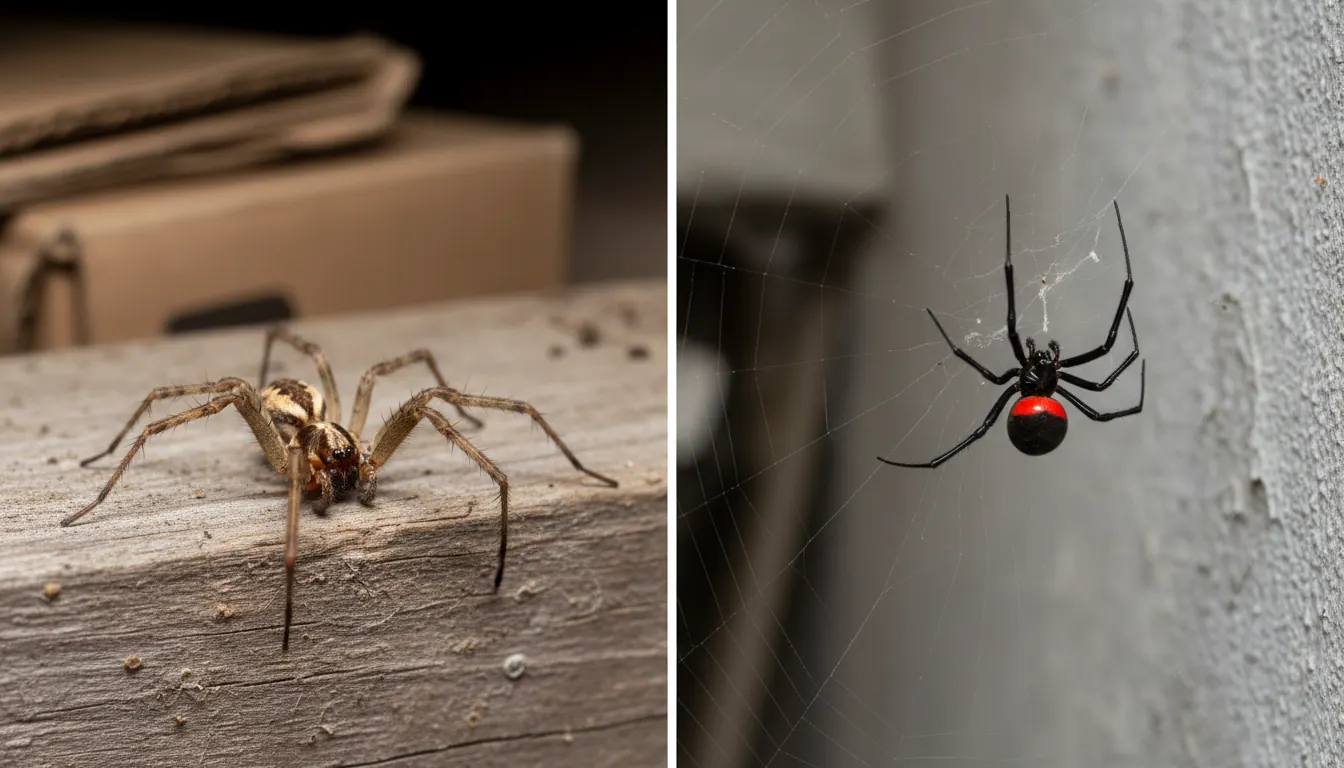
They often come inside buildings at night and roam around. You can find them in the corners of ceilings and behind wall hangings. Bug bites from yellow sac spiders are not as dangerous as those from recluse or widow spiders, but they can still cause pain and swelling that needs to be treated properly. Although they are mostly found in the Pacific Northwest, hobo spiders make funnel webs on the ground and sometimes go inside buildings to find safety.
Things that could go wrong and common situations that happen
When people upset spiders' hiding places or accidentally press them against skin or clothes, they usually come into contact with things. There are chances to make touch when you reach into storage areas, put on shoes that you don't wear very often, or move outdoor furniture. It's possible that you will have a higher encounter chance at entertainment places with lots of outdoor space or older buildings with lots of hidden areas than at newer, better-kept buildings.
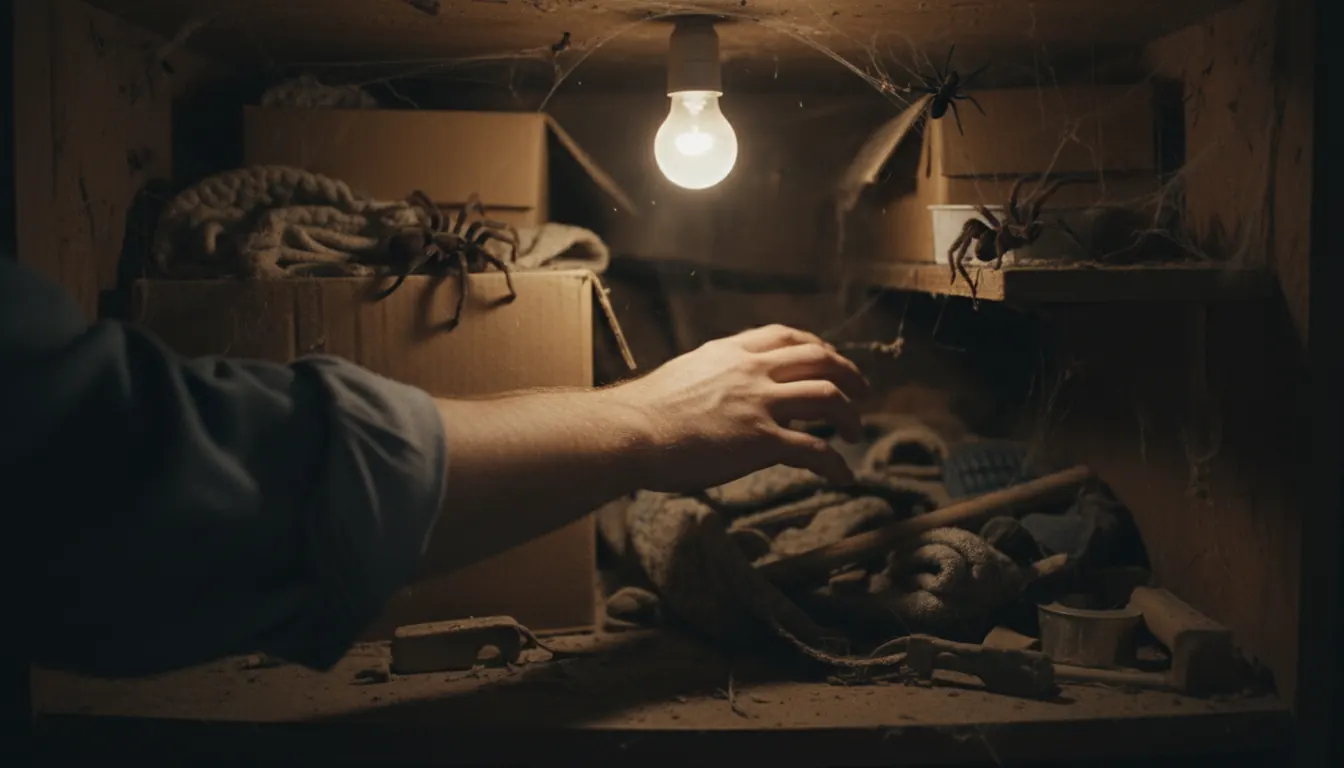
Most spider species are more busy during the warmer months, but this depends on the time of year. It's possible for spiders to come inside during the winter when it's warm outside. Public buildings with low spider populations have regular care activities like cleaning up trash, blocking off entry spots, and reducing clutter. Venomous species pose fewer risks when staff are trained on how to identify them and what to do in some situations.
Home Treatment for Spider Bites
How people react when they get bitten by spiders has a big effect on how well they come back. As long as you take care of spider bites the right way at home, they will heal faster and feel better. Symptom intensity and development help tell the difference between bites that need medical help and those that can be treated at home.
Things to do right away after a bite is suspected
First, the area that was bitten by a spider needs to be carefully examined. The risk of getting an illness is lower when you wash the bite spot with soap and water. It helps to reduce swelling and ease pain by using an ice pack or cold treatment wrapped in cloth for fifteen minutes at a time. The injured leg will swell less if it is raised above heart level as much as possible.
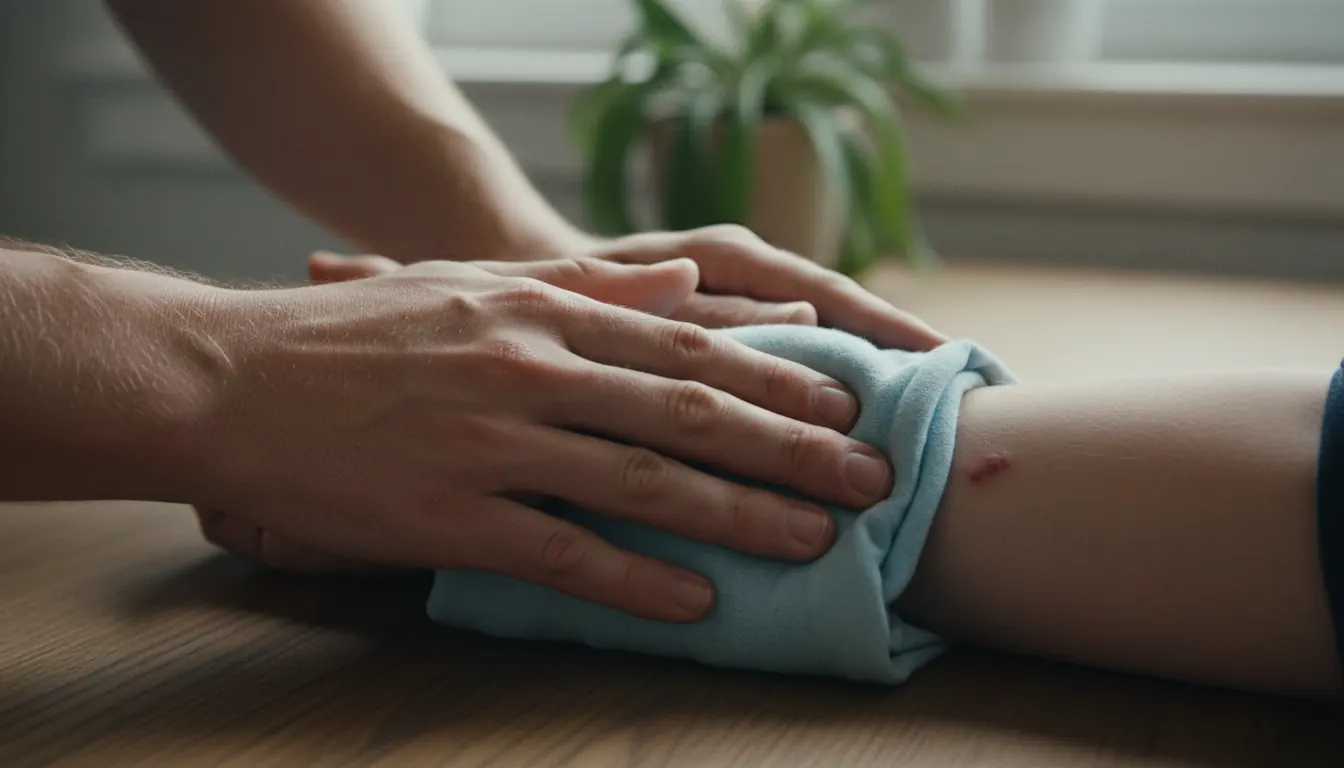
Most small bites don't hurt too badly after taking over-the-counter pain killers like aspirin or ibuprofen. When allergic reactions happen, antihistamines may help stop burning. To avoid getting more infections and scars, don't scratch. After twenty-four to forty-eight hours, keeping an eye on the bite site lets you notice any changes that might be worrying, like swelling getting worse, pain getting worse, or symptoms that affect other parts of your body.
| Treatment Step | Purpose | Frequency | Duration |
|---|---|---|---|
| Wash with soap and water | Remove venom and bacteria | Once immediately | 1-2 minutes |
| Cold compress application | Reduce swelling and pain | Every 2-3 hours | 15 minutes per session |
| Elevation of affected area | Minimize fluid accumulation | Continuous when resting | Until swelling subsides |
| Over-the-counter pain relief | Manage discomfort | As directed on package | 24-48 hours or as needed |
| Monitor bite site | Detect complications early | Every 4-6 hours | 48-72 hours minimum |
When medical help is needed after home treatment
No matter how much you try to treat your symptoms at home, you may need to see a doctor. Brown recluse envenomation needs medical help if the sores get bigger and the centers get darker, especially if they start to form blisters or bad tissue. If someone has severe muscle cramps, trouble breathing, heavy sweating, or a fast heart rate, they may have been exposed to black widow venom and need emergency medical care right away.
If you have fever, chills, sickness, or joint pain hours after being bitten by a spider, you need to get medical help right away. More complications can happen to children, the old, and people whose immune systems aren't working well, so they should see a doctor right away. When doctors are trying to figure out how to treat someone, writing down what the spider looks like is helpful.
How to Treat Spider Bites: It's Not Just for the House
It shows that public places care about visitors' health and safety when they follow strict safety rules. Extra layers of safety are added to personal knowledge through staff education programs that teach how to recognize spiders and give first aid. A lot of places to have fun, even ones run by well-known companies like winairlines and others like them, have trained staff on hand to help people right away while emergency services investigate more serious problems.
Identifying Spider Bites That Are Poisonous
Understanding patterns is important for telling venomous spider bites apart from other bug bites or skin diseases. Bites from a brown recluse usually don't hurt at first, but within hours, they hurt very badly in one spot, and then there's a bulls-eye pattern of pallor within heat. Some bites may form blisters, and as the tissue dies, the wound may turn into an ulcer.
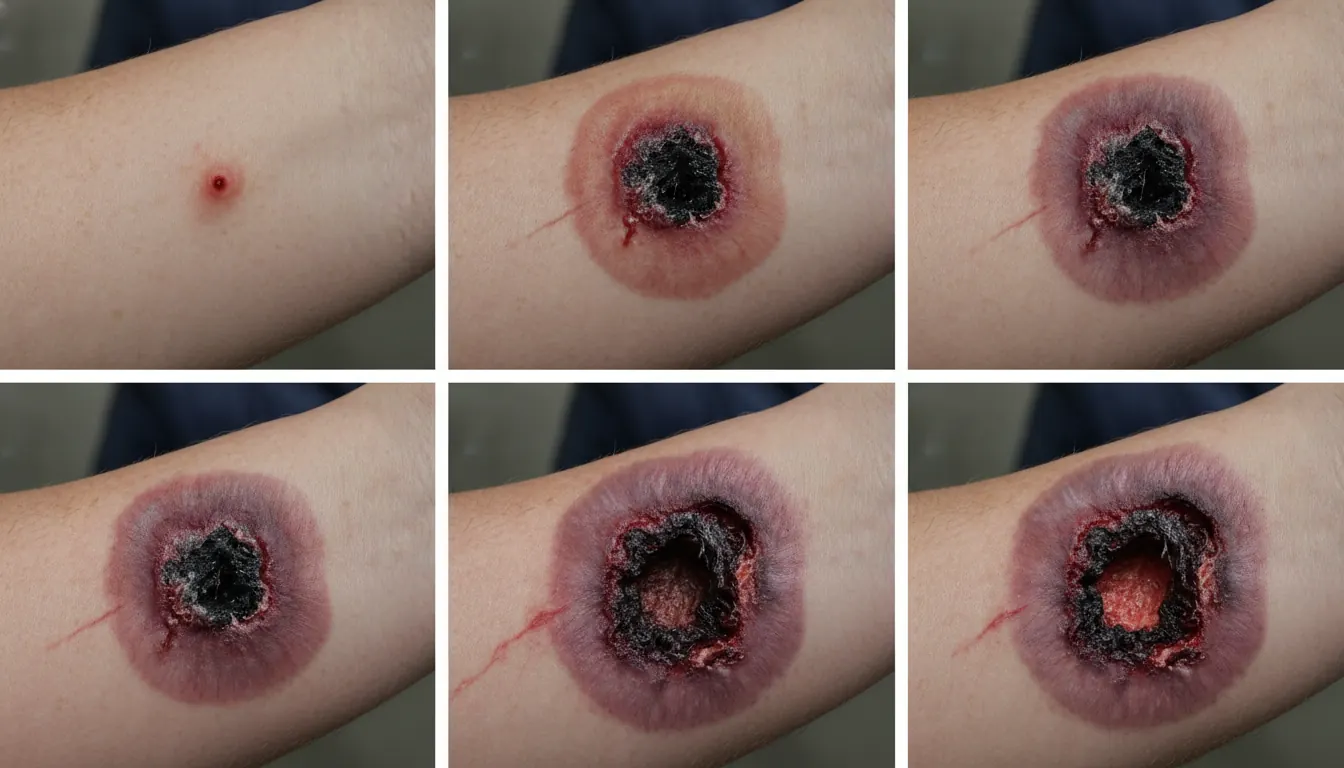
For the first few minutes after being bitten by a black widow spider, the pain is very sharp and feels like a pinprick. Within an hour, the pain gets worse and muscles become stiff and cramp. Where the bite happened, you might see two puncture marks. Burning pain and redness at the bite site are common signs of yellow sac spider bite treatment. Mild systemic symptoms like nausea or tiredness can last for hours.
"The majority of suspected spider bites actually result from other causes, including bacterial infections, other arthropod bites, or dermatological conditions. Accurate identification prevents inappropriate treatment and ensures proper medical intervention when necessary." — Dr. Sarah Mitchell, Emergency Medicine Doctor.
Important preparations and first aid supplies
- Soap or antiseptic wipes to clean wounds right away
- As a way to cover bite wounds, sterile cotton pads and medical tape
- To reduce swelling, use cold packs or ice in sealed bags
- For managing allergy reactions, antihistamine tablets
- Medication for pain that can be used by people of all ages
- Toll-free poison control offices and other emergency numbers
- Writing tools for keeping track of symptoms and timeline
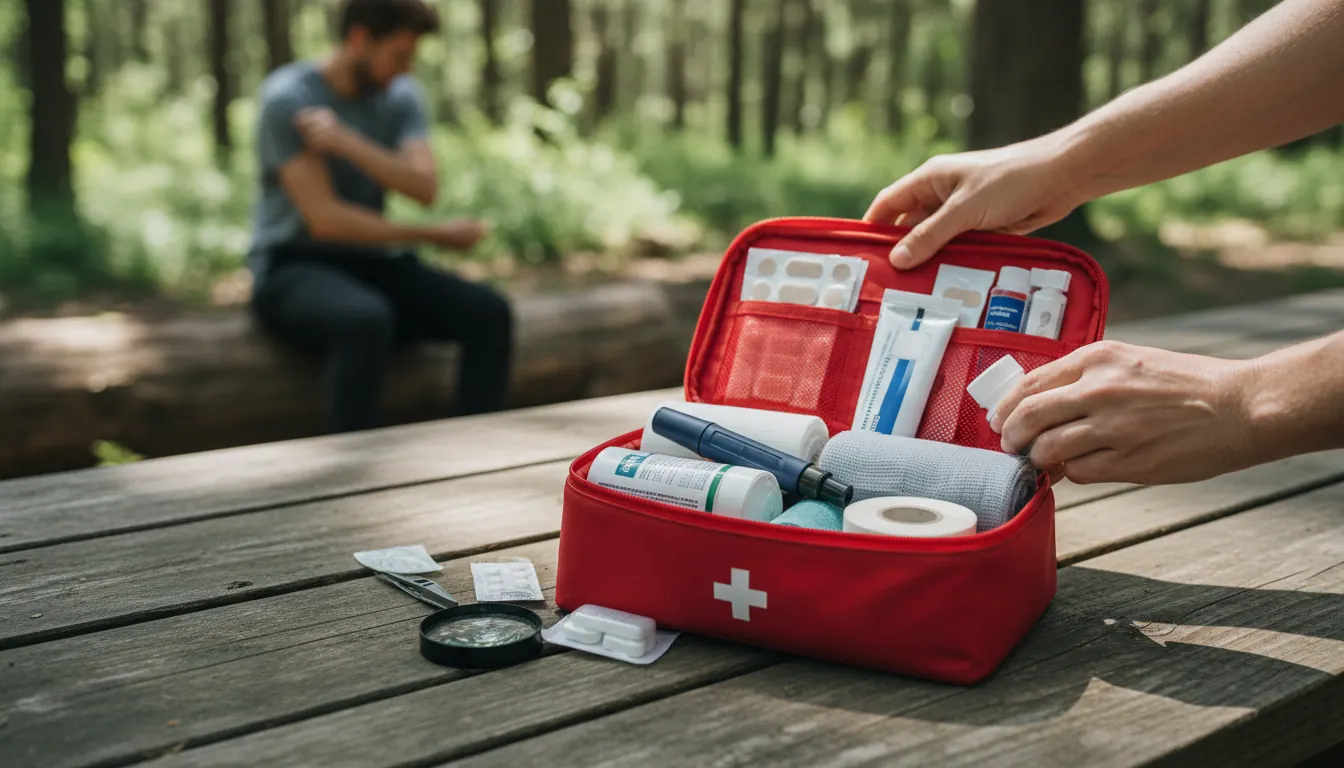
To make sure that care starts quickly, public buildings should have first-aid areas that are easy for people to get to. A lack of disaster preparation can be avoided by regularly checking and restocking medical supplies. When staff and tourists come across spiders out of the blue, digital tools like quick-reference guides with pictures of the spiders and instructions on how to treat them can help them make smart choices.
Knowing how to treat spider bites and being safe in casinos and other entertainment venues
Controlling pests and making sure visitors are safe are especially hard at big amusement places. Many spider species like to live in large, open spaces like casinos, convention halls, and hotel buildings. While pools, parks, and decks outside are natural places for spiders to live, rooms inside with controlled temperatures may have spiders that come in through deliveries, luggage, or structure openings.
Pest control in entertainment venues that works with other tools
With combined management strategies, professional pest control programs get rid of spiders while lowering the risks of chemical exposure. Periodic checks find places where pests might be able to get in before they do. Cracks can be sealed, door sweeps can be installed, and proper screen maintenance can be done to fix structures. If you turn down the lights outside, fewer bugs that spiders eat will be attracted to the area around building doors.

Guidelines for training staff include knowing how to identify common spider species, figuring out how they behave, and following the right action steps. People who work in housekeeping are told exactly how to handle things like blankets, furniture, and stored items safely, where spiders might hide. Regular cleaning requires maintenance staff to learn how to spot spider webs and egg sacs that need to be removed.
"Modern entertainment facilities prioritize comprehensive safety protocols that address numerous potential hazards, including encounters with venomous arthropods. Staff preparedness combined with environmental management creates safer experiences for millions of visitors annually."
Planning ways to teach visitors and talk to them
Guests can learn about the different kinds of spiders that live in the area by reading light-hearted information posted around places. Advice on how to spot and deal with spiders can be found on digital screens in hotel rooms, informational handouts at the front desk, and numerous websites. Visitors can quickly report sightings or ask for help when there are clear lines of contact.
| Safety Measure | Implementation | Frequency |
|---|---|---|
| Contact information for security or medical help | Guest rooms and public areas | Permanent placement |
| Free first aid kits in rooms | Basic spider bite treatment items | Weekly restocking |
| Front desk training | Handle spider concerns effectively | Quarterly updates |
| Medical facility relationships | Rapid emergency coordination | Annual review |
| Guest feedback systems | Capture pest control information | Continuous monitoring |
For smooth care when major poisoning happens, emergency reaction coordination between venue security, medical staff, and neighborhood healthcare providers is key. As safety is improved and insurance standards are met, documentation procedures keep records. Honesty about safety steps shows guests that the business cares about their well-being and builds guest trust.
Thoughts that are specific to areas with a lot of traffic
For spiders to stay away from main circulation areas like casino floors, meeting halls, and leisure places, there are always people there. There may be spiders in support spaces, like engine rooms, storage areas, and staff break rooms, where there isn't as much foot traffic. It is possible to keep spiders from moving into guest-accessible areas by adding better rules to these extra places.
During times when there aren't many visitors, spider populations can grow because of changes in the number of visitors over time. As the high season approaches, more preventative measures are put in place to make sure that any pest problems are fully inspected and fixed. Landscaping and water features in outdoor event areas need extra care because they attract many types of spiders looking for food and a place to live.

In order to fully handle the risks that spiders pose, facilities management, pest control experts, and safety staff must work together. Team members always know what's going on, what's been seen recently, and what control measures have been put in place when they talk to each other regularly. It helps with ongoing growth and following the rules when it comes to regulations when interventions are recorded.
Finding spiders with new technology and ideas
Smart systems that use sensors and cameras to keep an eye on pests find insect activity in trouble spots before populations grow. Due to early warnings from these technologies, specific actions can be taken to reduce the use of pesticides. Patterns in spider behavior can be found using data analytics, which helps with planning changes to the surroundings or building features.
Staff can report spider sightings quickly through mobile apps, which gives owners of big properties real-time information. Reports are made by centralized tracking tools that show where more care is needed. Regular pest checks are done at some sites by outside experts who give unbiased opinions on current procedures and suggest changes that are in line with best practices in the industry.
Technological advances that guests see include apps that give quick access to safety information, like how to identify spiders and give first aid. Within minutes of getting a request, digital concierge services can send help to particular places. Traditional safety measures are strengthened by these new ideas, which add up to multiple layers of protection that meet the wants and demands of all kinds of visitors.

Frequently Asked Questions
What are the most common venomous spiders found in public spaces?
The brown recluse and black widow spiders are the most medically significant venomous species in North America. Brown recluse spiders prefer dark, undisturbed areas like storage closets and utility rooms, identified by their violin-shaped marking. Black widows favor protected outdoor spaces such as woodpiles and beneath furniture, building irregular webs. Yellow sac spiders frequently enter buildings and roam at night, while hobo spiders in the Pacific Northwest build funnel webs in ground-level locations.
How do I treat a spider bite at home?
Treatment for spider bite at home begins with washing the affected area with soap and water to remove venom and bacteria. Apply a cold compress wrapped in cloth for fifteen-minute intervals to reduce swelling and pain. Elevate the affected limb above heart level when possible. Over-the-counter pain relievers like acetaminophen or ibuprofen manage discomfort for most minor bites. Monitor the bite site for 24-48 hours for signs of complications such as expanding redness, increasing pain, or systemic symptoms.
When should I seek medical attention for a spider bite?
Seek immediate medical attention if you experience expanding lesions with darkening centers, blisters, or necrotic tissue suggesting brown recluse envenomation. Emergency care is required for severe muscle cramping, difficulty breathing, excessive sweating, or elevated heart rate indicating possible black widow venom exposure. Systemic reactions including fever, chills, nausea, or joint pain appearing hours after the bite require professional evaluation. Children, elderly individuals, and those with compromised immune systems should receive prompt medical assessment.
What is yellow sac spider bite treatment?
Yellow sac spider bite treatment typically addresses burning pain and redness at the bite site. Clean the area immediately with soap and water, then apply cold compresses to reduce swelling. These bites may produce localized pain and swelling but are less dangerous than brown recluse or black widow bites. Mild systemic symptoms like nausea or malaise can last several hours. Monitor the bite for signs of infection and seek medical care if symptoms worsen or persist beyond 48 hours.
How do casinos and public venues manage spider safety?
Large entertainment venues implement integrated pest management strategies combining regular inspections, structural modifications, and staff training. Professional pest control programs identify potential infestation areas before populations establish. Facilities seal cracks, install door sweeps, and maintain proper screens to eliminate spider entry points. Staff receive training on spider identification, behavioral patterns, and proper response procedures. Many establishments maintain first aid stations with spider bite treatment supplies and coordinate emergency response protocols with local medical facilities.
The End: People are better prepared to handle unexpected situations when they have knowledge of venomous spiders and how to treat bites. Put in place thorough safety rules, train staff, and take care of the surroundings in public places to lower risks and make sure help gets to people quickly when problems happen. Safer communities and more confident visits to all types of public and private places are made possible by knowledge of spider bite first aid treatment, from home remedies to professional medical help.