
Yellow Sac Spider Facts and Cultural Significance
One spider that people often find in their homes is the yellow sac spider. The body length of these light-colored spiders is about 5 to 10 millimeters, but their legs make them look bigger, making them about 25 millimeters long all together. Even though some look more cream or light green, their name comes from the color that makes them look like that. Homeowners can live happily with these interesting spiders and appreciate their role in keeping pests away by learning about them.
Understanding Yellow Sac Spiders
What Makes This Species Unique
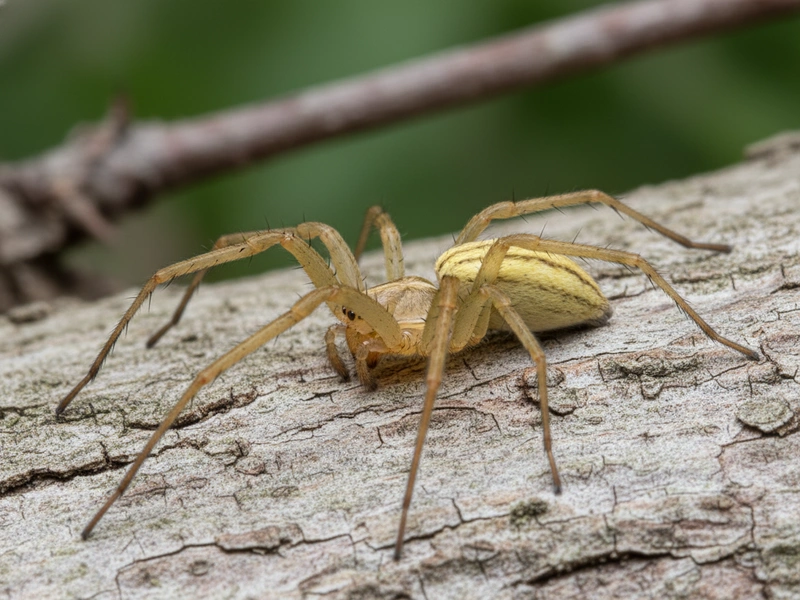
One type of spider that really likes living in homes is the yellow sac spider. It's hard to tell what color these spiders are because they're not very dark. They have legs that are about 25 mm long and make them look bigger. They look yellowish-beige, though some are more cream or pale green, which is where the name comes from. Unlike spiders that make webs, yellow sac spiders hunt for food. During the day, they only make little silk nests to sleep in.
This spider is different because it hunts at night. They don't wait in webs; instead, they go out at night to find food. They eat flies, moths, and other bugs that live in homes, so they get rid of pests well. Spider experts think they are good hunters for their size because they move quickly and catch their prey well.
Identification and Habitat Characteristics
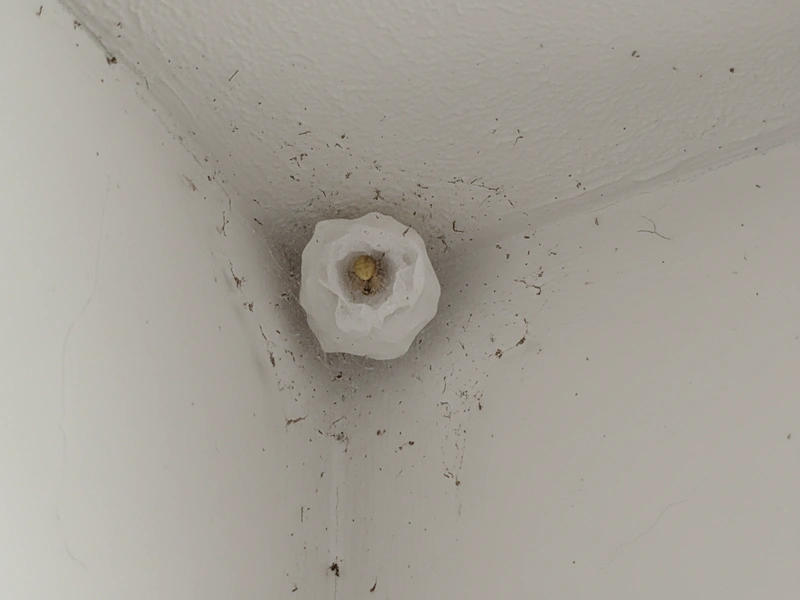
It's simple to see yellow sac spiders since their bodies are long and pale. The tips of their legs are darker, and the area around their heads is a little darker than the area around their tummies. They have eight eyes, two rows of them, but you can't see them very well without a magnifying lens. The best method to find them is to look for their silk shelters, which appear like small white sacks the size of grapes and are hidden in the corners of walls.
These spiders can live in many different places. In the winter, they like to be inside, especially where the walls meet the ceilings. They reside outside in parks, under bark, in rolled-up leaves, and on furniture on patios. Websites like venomousspiders.net reveal that they do well in mild temperature zones from sea level to higher elevations.
Behavior and Biology Explained
Bite Symptoms and Treatment Options
Yellow sac spider bites happen mainly when the spider gets trapped against skin in clothing or bedding. The bite feels like a sharp pinprick with immediate pain. Within a few hours, you'll see redness and swelling similar to a bee sting. Most people report a burning feeling that gets stronger before fading over several days.
| Symptom Type | Onset Time | Duration | Severity Level | Treatment Required |
|---|---|---|---|---|
| Initial Pain | Immediate | 1-2 hours | Moderate | Cold compress |
| Redness & Swelling | 30 minutes | 3-7 days | Mild to Moderate | Antihistamine cream |
| Burning Sensation | 1-3 hours | 2-5 days | Moderate | Pain reliever |
| Tissue Necrosis | Rare cases | 1-3 weeks | Severe | Medical attention |
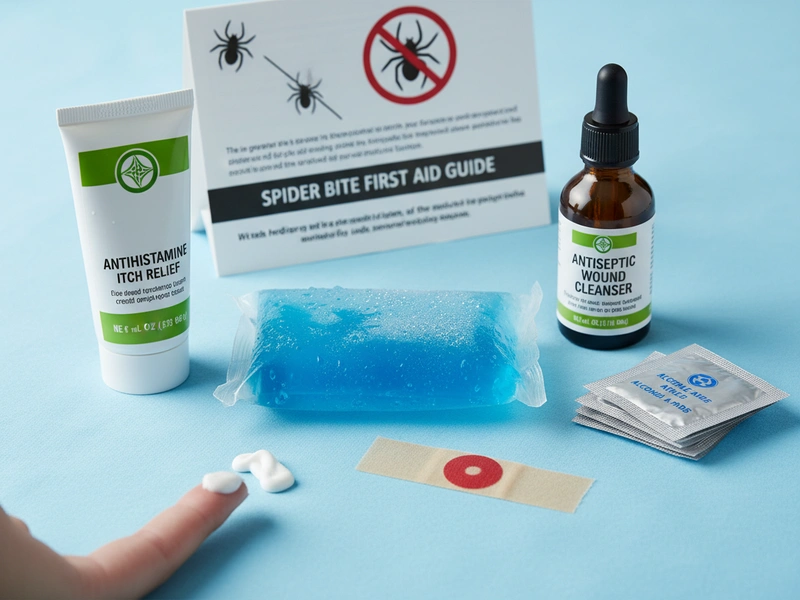
Most cuts are easy to heal. Wash the area with water and soap to keep it from getting sick. Putting ice on the hurt spot will help it feel better and reduce the swelling. To treat allergic reactions, use antihistamine creams. To treat pain, to take pain killers. If your child's fever, swelling, or other signs of an infection get worse, you should take them to the doctor. Some older studies said that these spiders did a lot of damage to tissue. However, more recent studies show that bacterial illnesses, not spider poison, were the main cause of most of the problems.
Hunting Patterns and Prey Selection
These spiders use smart hunting methods to catch food. They rely on touch and vibrations rather than sight, feeling their way across surfaces. When they detect prey, they move with surprising speed. Most hunting happens between dusk and dawn, with peak activity around midnight when insects slow down and become easier targets.
Yellow sac spiders eat various prey including small flying insects, beetles, aphids, and insect eggs. They consume about three to five insects weekly during active seasons. When food is scarce, larger females sometimes eat smaller males or young spiders. This hunting efficiency makes them helpful for controlling household pests naturally.
Global Distribution and Regional Variations
UK Population and Adaptation Patterns
This species of yellow sac spider has spread to England, Wales, and the southern part of Scotland. It's possible that these spiders got here through international trade, hidden in plants and goods that were brought in. The ones found in Britain are a bit smaller than the ones found in Europe. The mild weather and high humidity in the UK are perfect for them to grow
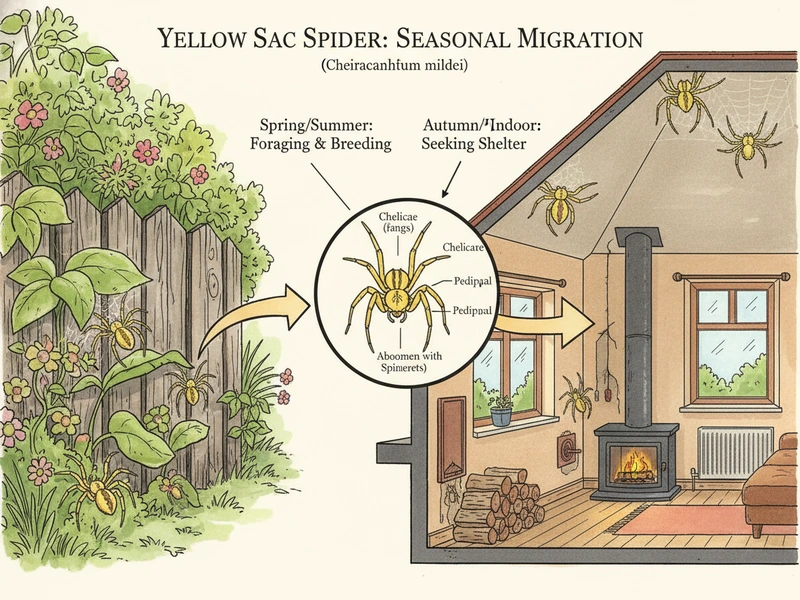
There are clear seasonal trends for British yellow sac spiders. They spend most of the summer outside, in fields and under tree bark. When fall comes, they move inside to stay warm. This is why people in the UK see more spiders inside from September to November. As the weather changes, studies show that the UK's population is moving northward. Recent reports have been in southern Scotland.
Common Misconceptions About Their Danger
People often fear yellow sac spiders more than necessary. Here are the facts behind common myths:
- Myth: Yellow sac spiders attack people for no reason. They will only bite if they feel trapped or attacked. They stay away from people and try to get away as much as possible. When spiders get caught in clothes or bedding, they bite by chance.
- Myth: Their poison does a lot of damage to tissue. New study shows that yellow sac spider venom doesn't usually do a lot of damage. Most of the tissue damage that was recorded was caused by bacterial infections or other health problems, not spider bites.
- Myth: Finding one spider means there are a lot of them. Spiders like these hunt alone and protect their own areas. One spider generally means that there is only one there. They don't live together or build webs that other people can use.
- Myth: Yellow sac spiders go after people who are sleeping. These spiders don't hunt people; they hunt bugs. People and spiders meet by accident at night when spiders are out hunting and walk by sleeping people.
- Myth: Only professionals can spot them.While professional help is the best way to be sure of your accuracy, yellow sac spiders have clear features that even casual viewers can pick out. The way they look, their pale color, body shape, and silk tails make them look different from dangerous species like black widows.
Spiders in Casino Culture and Symbolism
How Arachnids Are Represented in Gaming and Gambling
Because they are linked to luck, patience, and strategy, spiders have become important figures in the culture of casinos. People who used to gamble thought that spiders were lucky signs. Seeing a spider at a casino table could mean that you will get rich soon. This idea comes from the way spiders hunt, which is a lot like how good bettors wait for the right time.
The spider's web is a great way to talk about gaming. Skilled players come up with plans to win money, just like spiders make complicated webs to catch prey. This comparison has led to special gaming areas and marketing ideas in casinos. Spider images are popular in modern casinos because they make people think of planning and cunning, which is appealing to people who see gambling as a game of skill. There are spider decorations on the gaming floors of Las Vegas and Macau, which connects patient hunters in nature with strategic gambling players.
Spider Themed Casino Games and Slot Machines
The gaming industry has created many spider-themed games that use the creature's mystique. These range from simple slots to complex video games with elaborate bonus features.
- Spider Solitaire Slots: These combine card game formats with slot mechanics. Web-building bonus rounds let players construct virtual webs to trap prizes. Some versions use yellow sac spider bite themes, with venom symbols triggering jackpots that multiply winnings.
- Arachnid Fortune Wheels: Roulette variations use spider web patterns on betting layouts. Players bet on web segments instead of number grids. The spider symbol acts as a wild number triggering bonus payouts.
- Eight-Legged Jackpot Progressive Games: These networked slots link multiple casinos, building jackpots shown by animated spiders that grow with the prize pool. When someone wins, a digital spider wraps the jackpot in silk before presenting it.
- Spider Poker: This variant adds spider-themed wild cards that substitute for any card. The yellow sac spider serves as the ultimate wild, completing royal flushes and triggering bonus hands with payouts reaching 500 times the bet.
- Web of Fortune Blackjack: This blackjack variant includes side bets based on spider symbolism. Players wager on "web patterns" formed by card combinations across hands. Specific sequences resembling webs pay premium odds. The game is popular in UK casinos where local spider knowledge adds authenticity.

Living With These Arachnids Safely
Prevention and Control Methods
Managing yellow sac spiders requires understanding their habits. Most homeowners can keep spider-free homes through consistent prevention strategies.
| Control Method | Effectiveness | Cost | Duration | Best Application |
|---|---|---|---|---|
| Seal Entry Points | Very High | Low-Moderate | Permanent | Caulk cracks, gaps, frames, door sweeps |
| Remove Clutter | High | Free | Ongoing | Eliminate hiding spots, organize storage |
| Regular Vacuuming | Moderate-High | Low | Weekly | Remove spiders, eggs, silk retreats |
| Outdoor Lighting | Moderate | Free | Nightly | Use yellow bulbs away from doors |
| Chemical Treatment | High | Moderate-High | 3-6 months | Professional use for serious problems |
Not reacting is better than reacting. Keeping spaces clean and free of clutter takes away the places where yellow sac spiders can hide and rest during the day. If you check corners, closets, and storage places often, you can catch spiders early. Maintaining the outside is also important. Cut back plants near building supports to make it harder for spiders to get in. Keep the firewood off the outside walls and up off the ground.
Seasonal Activity and Peak Encounter Times
Seasonal trends can be used to predict when yellow sac spiders will be active. Knowing these helps people get ready for more interactions. Their behavior changes based on the temperature and the supply of food.
When temps stay above 15 degrees Celsius, spring starts to get busier. Adults come out of their winter homes and begin hunting. In late spring, when mating takes place, men move around more to find females. In places where spiders spend the winter inside, this makes it more likely that people will come across them.
It's busiest in the summer, when both adults and newly hatching chicks are hunting. July and August are the busiest months for outdoor people. Spider sightings inside go down when the weather is nice outside. But when it's dry, they stay inside looking for water and bugs.
Autumn triggers major indoor migration as temperatures drop. September through November sees the most indoor encounters in mild regions, including the UK. Spiders seek warmth in homes, appearing in bathrooms, kitchens, and bedrooms. This explains why yellow sac spider sightings jump when homeowners close windows and turn on heating.
Frequently Asked Questions
What does a yellow sac spider bite look like?
A yellow sac spider bite starts as a small red mark with a central puncture. Within hours, it becomes a raised, red bump similar to a mosquito bite but more painful. The skin around it may swell one to two centimeters from the center. Some people get a small blister at the bite site. The area stays tender for several days, with color fading over a week. Unlike scary reports, yellow sac spider bites rarely cause severe reactions or extensive damage in healthy people.
Are yellow sac spiders dangerous to humans?
Yellow sac spiders pose minimal danger despite being venomous. Their venom immobilizes insect prey but rarely causes serious reactions in humans. Most bites result in only localized pain, redness, and swelling that heal within a week. Children, elderly people, and those with weak immune systems may have slightly stronger symptoms, but severe reactions are extremely rare. The biggest risk is bacterial infection if the wound isn't kept clean. Compared to truly dangerous spiders like black widows, yellow sac spiders rank low on the medical threat scale.
Where do yellow sac spiders live in the UK?
In the UK, yellow sac spiders live both indoors and outdoors. They're common in gardens among plants, under tree bark, inside rolled leaves, and under stones or furniture. Indoors, they favor wall-ceiling junctions, closets, behind picture frames, and in folded clothing or linens. British homes with garages or sheds attract them because these spaces offer protection near outdoor prey. The strongest populations are in southern England and Wales, with established groups in the Midlands and increasing sightings in Scotland.
How can you identify a yellow sac spider?
Yellow sac spiders have pale yellow to beige bodies, sometimes with greenish tints. Their legs show darker tips creating a gradient. Body length runs 5 to 10 millimeters, with leg span reaching about 25 millimeters. The best identification feature is their silk retreat, a small tube or pouch in corners or along wall-ceiling junctions. These retreats look like thin white silk sacs about grape-sized, very different from orb webs or cobwebs. When disturbed, they move fast and run toward dark spaces instead of dropping on silk threads.
What should you do if bitten by a yellow sac spider?
Wash the bite area thoroughly with soap and water to prevent infection. Apply a cold compress for 10 to 15 minutes to reduce swelling and numb pain. Clean with antiseptic and watch for infection signs over following days. Use pain relievers like ibuprofen for discomfort and antihistamine creams for itching. Most bites heal in five to seven days without medical care. See a doctor if you notice spreading redness, fever, increasing pain after 24 hours, or infection signs like pus or red streaks. People with spider venom allergies should consult healthcare providers promptly.
Why are spiders popular symbols in casino games?
Spiders appear in casino games because they symbolize patience, strategy, and fortune across cultures. The spider's web-building mirrors how successful gamblers plan their moves. Ancient traditions linked spider sightings to incoming wealth, beliefs that game developers use in modern gaming. Web patterns look good on slot displays and gaming screens. Spiders create feelings of anticipation and slight danger that enhance gambling excitement. The spider as patient predator appeals to strategic players who see gambling as requiring skill and timing, making spider-themed games attractive to calculating gamblers.
Conclusion
Yellow sac spiders are adaptive creatures that live successfully alongside humans in mild climates worldwide. Understanding their behavior and actual threat level helps homeowners coexist with these helpful predators while staying safe. They control household insect populations effectively, though their defensive bites cause reasonable concern. The yellow sac spider bite, while painful, rarely causes serious medical problems, and the species poses minimal danger overall.
Beyond biology, spiders including yellow sac species have inspired cultural symbolism reaching into casino gaming. The connection between spider behavior and gambling strategy shows how nature influences entertainment design. Whether found in a ceiling corner or shown on a slot machine, spiders fascinate humans through their adaptations and cultural meaning. Proper identification, realistic risk assessment, and appreciation for their ecological value allows appropriate responses to these common creatures sharing our spaces.